

A damp line creeping across a Brooklyn basement wall is rarely just a paint problem. In NYC buildings, water can enter through a roof seam, failed masonry joint, cracked foundation wall, open window flashing, or a drainage issue that pushes moisture against the structure. This waterproofing systems guide explains how property owners can identify the source, select the right repair, and avoid spending money on a surface-level fix that will not last.
Start With the Source of the Water
Waterproofing is not one product applied to every wet wall. It is a system of materials, drainage details, repairs, and installation methods designed around where the water is coming from and how it moves through the building.
The first question is whether the moisture appears after rain, during snowmelt, only in humid weather, or all the time. A leak that follows heavy rain often points to roofing, flashing, facade cracks, parapet walls, window surrounds, or clogged leaders. Moisture at the bottom of a cellar wall may be groundwater, poor grading, failed exterior foundation protection, or hydrostatic pressure pushing water through masonry and concrete.
Do not assume the visible stain is directly below the leak. Water travels along framing, pipes, brick cavities, and ceiling assemblies before it shows itself. On brownstones and attached row houses, one open joint at the parapet or cornice can send water several feet away from the actual failure point.
A proper site inspection should look at the interior and exterior together. That means checking the roof, drains, coping stones, brick joints, sidewalk and areaway conditions, foundation walls, basement floor, and any previous repair work. The goal is to stop active water entry first, then repair the damage it caused.
A Waterproofing Systems Guide by Building Area
The right system depends on the part of the property being protected. A coating that makes sense on an exterior masonry wall may be the wrong choice for a below-grade basement. Likewise, a basement drainage system will not correct a failed flat roof.
Basements and Cellars
Below-grade spaces need special attention because soil holds moisture against the foundation. In some cases, water pressure builds after prolonged rain and forces moisture through cracks, joints, and porous masonry. That pressure can defeat ordinary interior paint and basic patching.
The strongest approach is usually exterior waterproofing when access allows. This can involve excavating to the foundation, repairing cracks and deteriorated masonry, applying a waterproof membrane, protecting it with drainage board, and directing water toward a properly designed drainage path. It is more disruptive than an interior repair, but it addresses the water before it reaches the wall.
Interior systems can be the practical choice when excavation is not possible due to attached buildings, sidewalks, landscaping, or budget limits. An interior drainage channel and sump pump system manage water that reaches the foundation and relieve pressure below the slab. This does not make the exterior wall dry from the outside, but it can keep a basement usable when designed and installed correctly.
Crack injection may work for a specific, stable crack with a clearly defined leak path. It is not a complete waterproofing plan for widespread moisture, failed mortar joints, or recurring groundwater issues. The repair must match the problem.
Flat Roofs, Parapets, and Flashing
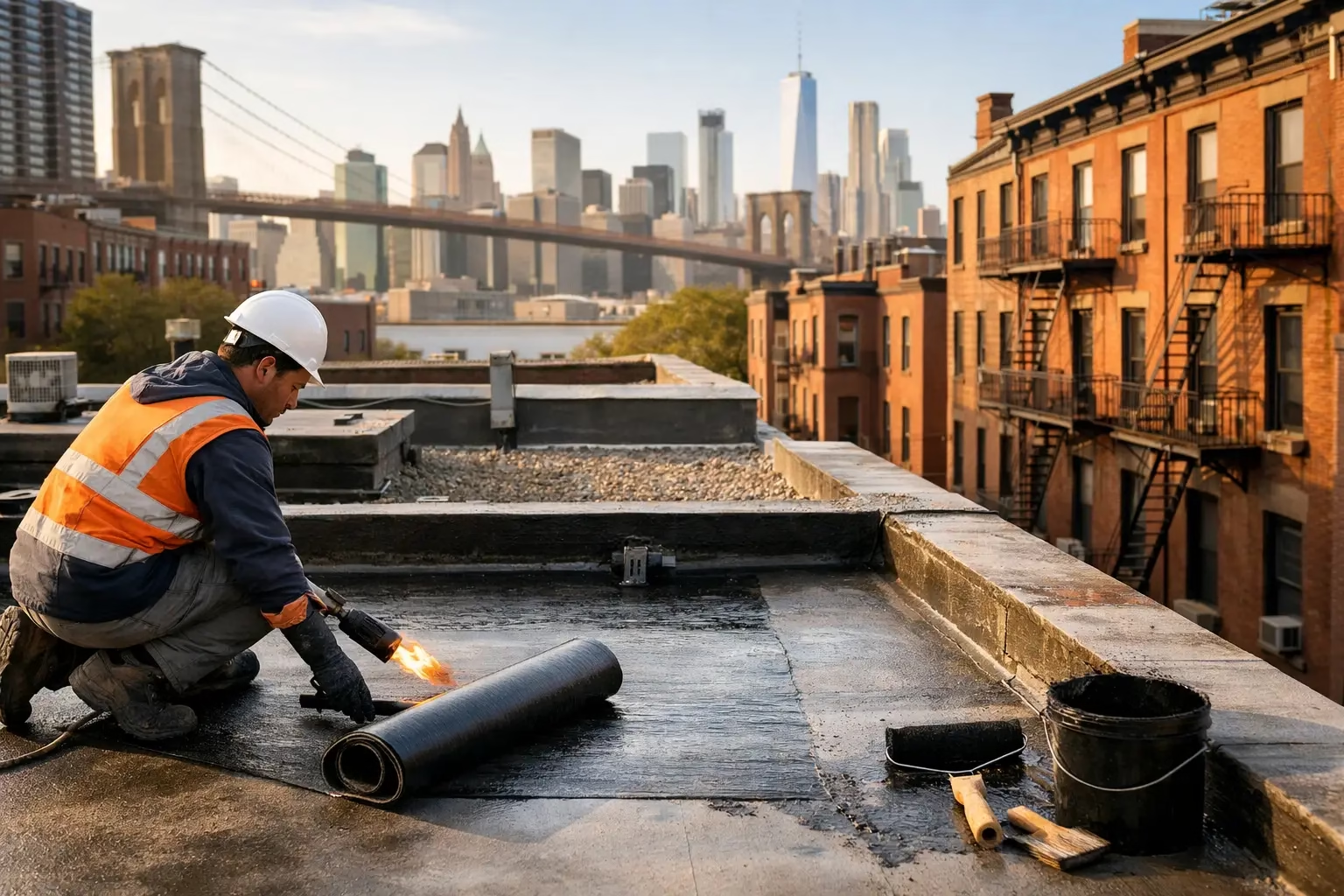
Many NYC properties rely on low-slope roof assemblies where drainage and flashing details matter as much as the membrane itself. Ponding water, open seams, loose coping, cracked parapet caps, and clogged scuppers can all lead to interior leaks.
A roof waterproofing system may include membrane repair or replacement, properly sealed penetrations, new flashing at walls and chimneys, rebuilt parapet details, and corrected drainage. If water remains on the roof long after rainfall, the property may need slope correction or drainage improvements rather than another coat of sealant.
Roof coatings can extend the service life of a suitable roof, but only after the underlying surface has been repaired and prepared. Coating over trapped moisture, loose seams, or deteriorated flashing is a short-term appearance fix, not dependable protection.
Masonry Facades and Brownstone Exteriors
Brick, brownstone, stucco, and cement finishes are not maintenance-free. Brick walls shed water through their face and mortar joints, while flashing, coping, sills, and sealant joints direct water away from vulnerable openings. When those details fail, moisture can enter behind the facade and damage interior finishes, wood framing, and steel components.
Repointing is often part of a masonry waterproofing plan because failing mortar gives water a direct route into the wall. The new mortar must be compatible with the existing masonry. On historic brownstones, an overly hard mortar can damage softer brick or stone over time.
Breathability also matters. Some masonry walls need to release moisture vapor rather than be covered with an impermeable coating that traps water inside. A qualified contractor should evaluate whether the wall needs repointing, crack repair, flashing work, a vapor-permeable water repellent, stucco restoration, or a combination of these services.
Windows, Doors, and Exterior Transitions
Water often enters at transitions, not broad wall surfaces. Window heads, sills, door thresholds, roof-to-wall intersections, balconies, and utility penetrations need properly installed flashing and sealant. Caulk alone is rarely enough when the original flashing is missing or the surrounding masonry is damaged.
If a leak appears around a window after wind-driven rain, the answer may be a cracked lintel, open brick joints, failed sealant, or a drainage issue in the wall above. Replacing the window without correcting those conditions can leave the problem untouched.
Warning Signs That Need Prompt Attention
A small water stain can grow into mold, damaged plaster, rotted framing, and costly facade repairs. Property owners should schedule an inspection when they see recurring ceiling stains, bubbling paint, white mineral deposits on masonry, damp basement walls, loose interior plaster, musty odors, or rust around steel lintels and beams.
Exterior clues are just as useful. Look for missing mortar, cracks that widen over time, spalled brick faces, deteriorated parapet caps, overflowing gutters or leaders, standing roof water, and gaps around windows. In attached Brooklyn homes, water can also move across shared conditions, so the investigation may need to consider party walls and adjacent roof lines.
What a Dependable Waterproofing Scope Should Include
A clear scope protects the owner and the contractor. Before work starts, the proposal should identify the affected area, likely source of water, recommended repair method, materials, preparation work, and limits of the work. Waterproofing is not an area for vague promises that a wall will simply be “sealed.”
Ask how the contractor will handle drainage, flashing, cracks, penetrations, and surface preparation. For basement work, ask whether the recommendation manages hydrostatic pressure or only coats the interior face. For roof work, ask how seams, drains, scuppers, parapets, and penetrations will be addressed. For masonry, ask whether damaged mortar and failed joints will be repaired before a water-repellent treatment is applied.
Licensed and insured contractors should also plan for safe access, protection of occupied areas, debris removal, and compliance with applicable NYC requirements. On larger exterior projects, scaffolding, permits, sidewalk protection, and facade conditions can affect both schedule and price. A lower estimate is not necessarily a better value if it leaves out the details that actually keep water out.
Maintenance Keeps a Good System Working
Even quality waterproofing needs routine attention. Roof drains and gutters should be cleared before and after seasons with heavy leaf buildup. Masonry should be checked for open joints and cracks before winter freeze-thaw cycles enlarge them. Basement owners should test sump pumps, keep discharge lines clear, and avoid storing valuable materials directly against damp-prone walls.
After any major storm, inspect the areas that have leaked before. Taking dated photos of stains, cracks, and exterior conditions helps track whether a problem is getting worse and gives a contractor better information during an estimate.
For NYC owners, the most cost-effective waterproofing decision is usually the one that fixes the path of water, not just the spot where it became visible. Best Budget Construction can inspect basement, roofing, masonry, and exterior drainage conditions and provide a straightforward estimate for repairs that fit the building and the budget. Addressing the first signs of water entry now can protect the structure, the finished space, and the value of the property long before the next hard rain tests it again.
