

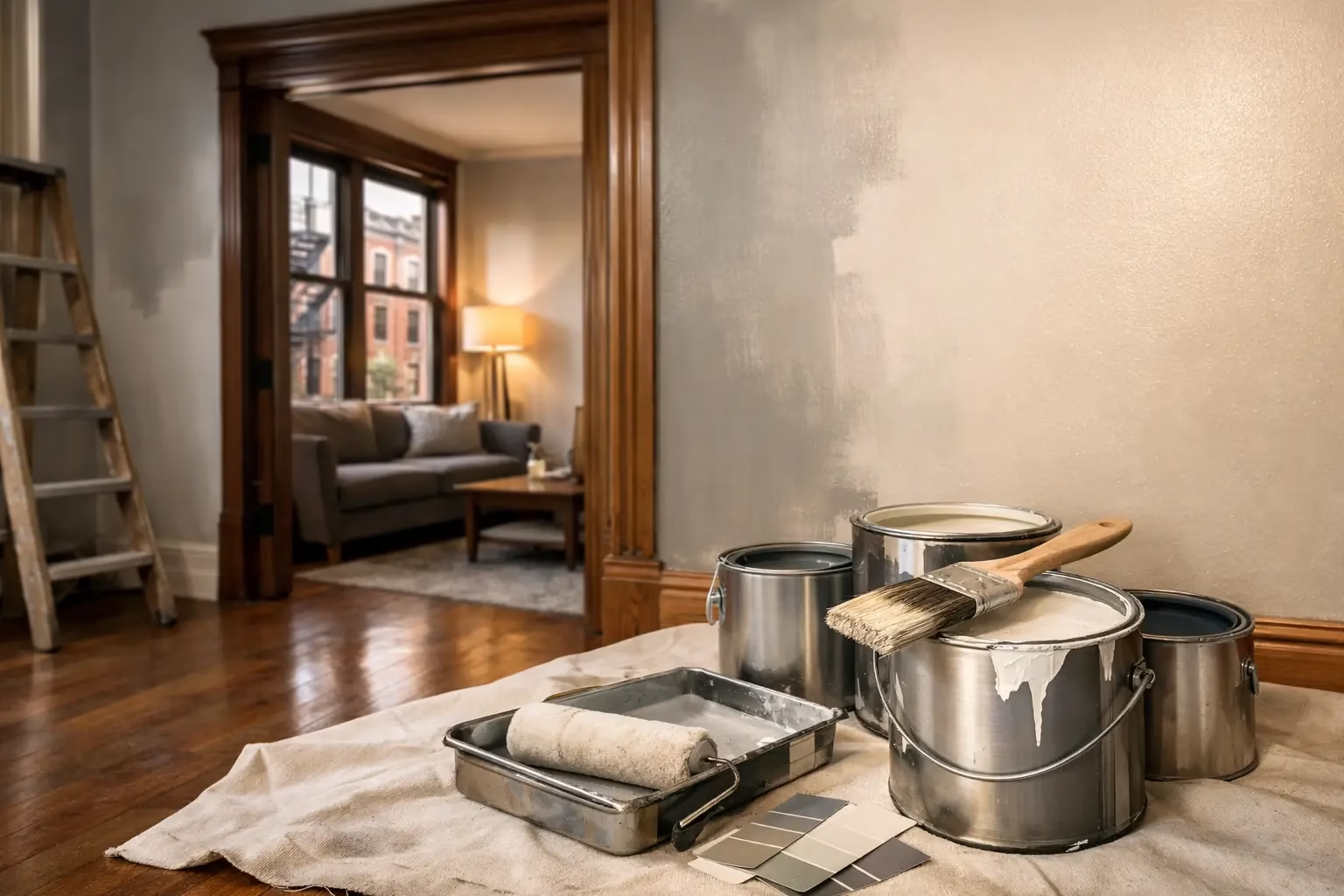
A freshly painted room can look wrong even when the color is right. The usual reason is sheen. Choosing the best interior paint finishes means matching the finish to the room’s traffic, wall condition, moisture level, and the amount of light coming through the windows. In Brooklyn brownstones, apartments, and commercial spaces, that decision affects more than appearance. It affects how often walls need touch-ups, how easily surfaces clean, and whether old repairs stay hidden.
Paint finish describes how much light a painted surface reflects. Lower-sheen finishes absorb light and hide imperfections. Higher-sheen finishes reflect light, stand up better to washing, and make surface flaws more visible. There is no single finish that works everywhere. A good painting plan uses different finishes where they make practical sense.
Why Paint Sheen Matters in NYC Properties
New York City interiors work hard. Hallways collect scuffs from strollers, moving furniture, pets, and daily foot traffic. Kitchens see grease and steam. Bathrooms deal with humidity. Older homes in Park Slope, Brooklyn Heights, Cobble Hill, and Bed-Stuy may also have plaster walls, patched areas, uneven trim, or years of layered paint beneath the current surface.
A finish that looks great on a sample board can highlight every old repair once it is applied across a sunlit living-room wall. On the other hand, a flat finish in a busy rental hallway may be difficult to keep looking clean. The right choice balances appearance with maintenance, not just the look of a showroom sample.
Before selecting paint, look at the wall from several angles during the day. Direct sunlight, sconces, and track lighting all reveal sheen differently. This simple step prevents a common problem: choosing a shinier finish to make a room feel polished, then discovering it exposes roller marks, dents, and patchwork.
Best Interior Paint Finishes by Room
Flat or matte for ceilings and imperfect walls
Flat paint has almost no shine. It is the best choice for most ceilings because it reduces glare and hides minor seams, drywall repairs, and uneven texture. It also gives ceilings a quiet, clean appearance instead of making them compete with the walls.
Matte paint is similar but is often more durable and washable than traditional flat paint, depending on the product line. It works well in bedrooms, formal living rooms, dining rooms, and low-traffic home offices. In a historic brownstone with older plaster walls, matte can be especially forgiving because it does not emphasize every imperfection.
The trade-off is maintenance. Basic flat paint can burnish or leave visible marks when scrubbed. If children, pets, or frequent tenant turnover are part of the picture, choose a high-quality washable matte rather than the least expensive flat paint. It costs more upfront, but it can reduce repainting and patching later.
Eggshell for everyday walls
Eggshell is one of the most common wall finishes for good reason. It has a soft, low sheen that gives walls a little life without becoming reflective. It is easier to wipe down than flat paint and generally hides surface imperfections better than satin.
For many NYC homeowners, eggshell is the practical default for living rooms, bedrooms, dining rooms, and hallways with moderate traffic. It works particularly well when the wall condition is decent but not perfect. If the goal is a warm, traditional look in an older home, eggshell often delivers the best balance.
Still, it is not always tough enough for high-contact areas. Narrow apartment corridors, entryways, and walls behind dining chairs may benefit from a more washable finish. Also, paint sheens differ between manufacturers, so one brand’s eggshell may look closer to another brand’s satin. Always test the actual product, not only the sheen label.
Satin for active rooms and trim work
Satin has a noticeable soft sheen and better durability than eggshell. It is a smart choice for family rooms, children’s rooms, busy hallways, mudroom-style entries, and kitchens where walls need regular cleaning. It reflects enough light to make colors look slightly richer, which can help a darker room feel less dull.
For rental properties, satin can be a cost-conscious option in high-use spaces because it resists scuffs and cleans more easily than lower-sheen finishes. That said, satin requires more careful surface preparation and application. Lumps, patched drywall, poor sanding, and uneven roller technique will show more clearly than they do with eggshell or matte.
Satin is also commonly used on interior doors, though many owners prefer a higher sheen for door and trim durability. If walls receive strong side lighting from large windows, consider whether the added reflection is worth it. On imperfect walls, eggshell may still be the better choice.
Semi-gloss for kitchens, baths, doors, and trim
Semi-gloss is built for surfaces that need frequent cleaning. It handles moisture, fingerprints, grease, and repeated contact well, making it a reliable finish for bathroom walls, kitchen walls near work areas, window trim, baseboards, doors, and cabinetry when the correct coating system is used.
In bathrooms, ventilation matters as much as paint. Semi-gloss can help a surface withstand humidity, but it will not solve a failed exhaust fan, active leak, or persistent moisture behind the wall. Those conditions need repair before painting. Covering stains or mildew with a new coat may improve the appearance briefly, but the underlying issue will return.
Semi-gloss makes trim details stand out, which works well in homes with original moldings, wainscoting, and paneled doors. It is less forgiving, however. Every nail hole, brush mark, and rough patch can be visible under light. Proper caulking, filling, sanding, priming, and dust control are necessary for a clean finish.
High-gloss for selective architectural details
High-gloss paint creates a hard, highly reflective surface. It is durable and dramatic, but it is not a standard wall finish for most properties. It works best on carefully prepared doors, trim, built-ins, and specialty details where a polished look is intentional.
Because high-gloss reflects so much light, the surface preparation must be near perfect. In most renovations, using it on every baseboard or door is not necessary. Semi-gloss gives many owners the cleanable, professional look they want with less risk of showing flaws.
A Practical Finish Plan for Most Homes
For a typical apartment, townhouse, or brownstone interior, a straightforward finish plan is often the most effective: flat or matte on ceilings, matte or eggshell on main walls, satin in high-traffic rooms, and semi-gloss on trim, doors, and moisture-prone areas. This approach keeps the home visually consistent while putting durability where it is needed.
A kitchen may call for eggshell on less-exposed walls and satin near dining or work areas. A well-ventilated bathroom can use satin or semi-gloss, depending on wall condition and cleaning needs. Bedrooms usually look best with matte or eggshell unless they are used heavily by young children.
Commercial interiors need an even more practical approach. Offices, retail spaces, common hallways, and building entries benefit from washable eggshell or satin on walls, with semi-gloss on doors and trim. In spaces with frequent deliveries, carts, or public traffic, paint selection should be part of a broader maintenance plan that includes wall protection, proper cleaning, and timely touch-ups.
Paint Quality and Preparation Matter More Than Most Owners Expect
The best interior paint finishes will not perform well over poor preparation. A contractor should repair cracks, secure loose drywall tape, fill holes, sand rough areas, clean surfaces, address stains with the right primer, and caulk trim gaps before applying finish coats. In aging NYC properties, this work often takes more time than the painting itself.
Primer is not optional when walls have water stains, smoke residue, major color changes, fresh repairs, bare wood, or patched plaster. The correct primer helps the topcoat bond evenly and prevents discoloration from bleeding through. Skipping it may appear to save money, but it can lead to extra coats, uneven sheen, and early failure.
Application also changes the final look. A skilled painter keeps a wet edge, uses the right roller nap for the wall texture, cuts clean lines, and maintains consistent coverage. On ceilings and long walls, inconsistent rolling can create lap marks that become obvious once daylight hits the surface.
When to Call a Professional Painter
A simple bedroom repaint may be manageable for an experienced homeowner. But professional help is worth considering when the project involves high ceilings, extensive cracks, damaged plaster, water stains, lead-safe work requirements, detailed trim, occupied rentals, or tight timelines. Those conditions need planning, protection, and correct repair methods before paint goes on.
For owners managing a renovation or preparing a property for tenants, Best Budget Construction can evaluate wall conditions, recommend practical sheen levels, and provide a clear painting scope before work begins. A licensed and insured contractor is especially valuable when painting is tied to drywall repair, bathroom renovation, kitchen work, or other interior improvements.
The finish should serve the room, not force you into more maintenance than necessary. Choose a washable low sheen for everyday walls, use higher sheens where water and contact demand them, and do not let a small paint sample make the decision for the entire space. A careful walkthrough and a properly prepared test area can save considerable time and repainting costs later.
