

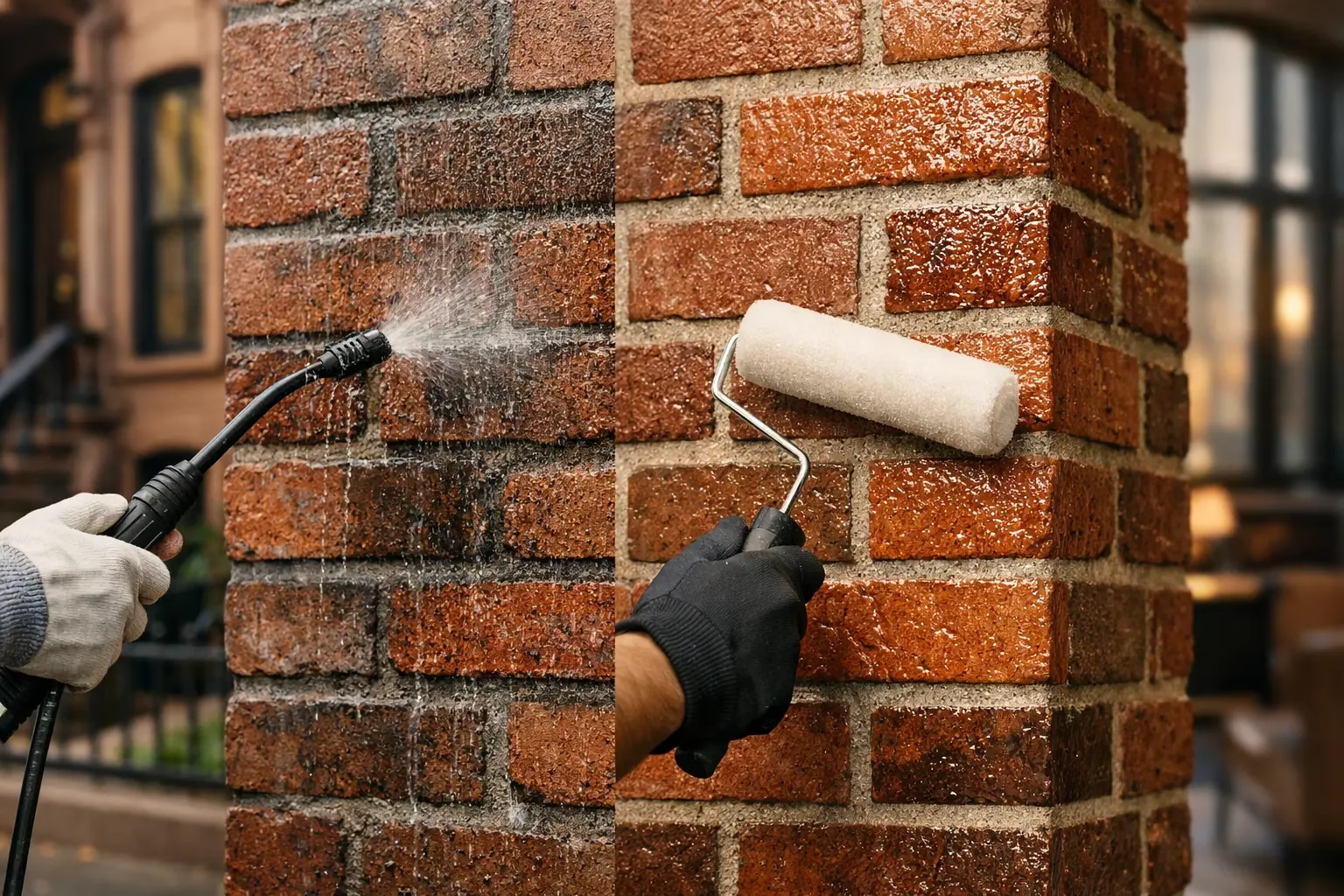
A brownstone wall that darkens after rain is not automatically a coating problem. In New York City, water can enter through failed mortar joints, open coping stones, cracked flashing, loose parapet caps, worn stucco, or damaged brick itself. The right choice in masonry waterproofing versus sealant coating starts with finding that path of entry before anyone applies material to the facade.
For Brooklyn homeowners, landlords, and property managers, this distinction can prevent a costly repeat repair. A surface coating may improve water resistance, but it cannot rebuild missing mortar or correct a roof-to-wall leak. Proper exterior work protects both the appearance of the building and the masonry behind it.
Masonry Waterproofing Versus Sealant Coating: The Core Difference
Masonry waterproofing is a broader system intended to control water intrusion through a wall assembly or a specific masonry surface. Depending on the building condition, it can include repointing, crack repair, replacement of deteriorated brick, rebuilding parapets, repairing coping, applying a breathable water repellent, or installing a waterproof coating where the wall design calls for one.
A sealant coating is usually a surface-applied product designed to reduce water absorption, bridge small surface imperfections, or form a protective film. Some products are clear penetrating sealers. Others are pigmented elastomeric coatings that create a visible membrane over masonry or stucco. The word “sealant” can also describe flexible joint material used around windows, expansion joints, coping stones, and masonry transitions. These are different products with different jobs.
The practical point is simple: waterproofing addresses how water is getting in and how the building manages moisture. A coating is one possible part of that plan. It is not a substitute for sound masonry repairs.
Why NYC Masonry Needs a Careful Approach
Brick and brownstone buildings are not solid, dry barriers. Masonry absorbs moisture, and traditional walls often need to release that moisture through evaporation. When rain, snow, temperature swings, and freeze-thaw cycles hit an aging facade, water can work into open joints and small cracks. If it freezes there, the expansion can loosen mortar, spall brick faces, and worsen existing damage.
That is why a non-breathable coating can be the wrong answer on certain older walls. If moisture is already entering from the top of the wall, from the interior side, or through failed joints, a heavy film may trap moisture in the masonry. The result can be blistering paint, peeling coating, efflorescence, and more deterioration behind the finished surface.
This does not mean coatings are always a problem. It means the coating must match the substrate, the exposure, and the repair history. Historic brownstones in Park Slope, Brooklyn Heights, Cobble Hill, and similar neighborhoods often need a preservation-minded approach instead of a quick cover-up.
When Masonry Waterproofing Is the Better Choice
Waterproofing work is usually the better route when there is an active building-envelope issue rather than a cosmetic surface concern. Signs include interior damp spots after rain, deteriorating mortar, recurring efflorescence, loose or flaking brick faces, water staining beneath parapets, and leaks around window openings.
A contractor should inspect the full area, not just the visible stain. For example, water appearing on a third-floor interior wall may start at a parapet several feet above it. A basement wall may be damp because of exterior grading, sidewalk conditions, failed foundation waterproofing, or a broken leader pipe. The repair plan should follow the water path.
A complete waterproofing scope may include grinding out failed joints and repointing with compatible mortar, repairing cracks, resetting or replacing coping stones, rebuilding damaged sections, correcting flashing, sealing transitions, and using a breathable water-repellent treatment once the masonry is stable. On below-grade walls or certain exposed structural surfaces, a true waterproof membrane may be appropriate, but that is a different application from a standard facade coating.
This route costs more upfront than applying a basic coating alone. It also takes longer because preparation and repairs are the work that makes the finish last. For a property owner trying to avoid repeated patch jobs, that investment is often the more affordable decision over the life of the wall.
When a Sealant Coating Makes Sense
A sealant coating can be a good option when the masonry is fundamentally sound and the goal is to reduce rain absorption, refresh a uniform surface, or protect a repaired facade from weather exposure. The best application depends on the material.
Penetrating Water Repellents
Penetrating repellents are often used on brick, stone, and certain masonry surfaces. They soak below the surface and help repel liquid water while allowing water vapor to move outward. This can be a practical choice for sound, absorbent brick that has been properly cleaned, repointed, and allowed to dry.
A clear repellent will not hide damaged masonry or make a failing facade look new. Its value is protection, not cosmetic correction. It also requires careful product selection because some treatments can change the appearance of the surface or perform poorly when applied over old paint, previous coatings, or damp masonry.
Elastomeric and Masonry Coatings
Elastomeric coatings are thicker, flexible coatings often used on stucco, concrete, and previously coated masonry. They can cover hairline surface cracks and create a consistent finished appearance. On the right surface, they provide useful weather protection and can be part of an exterior restoration project.
They are less suitable for every exposed brick facade, especially if the brick was meant to remain breathable and unpainted. Applying a film-forming product over wet, contaminated, or unsound masonry can lead to peeling and trapped moisture. Proper cleaning, patching, curing, priming when required, and dry-weather application are not optional steps.
Repairs Must Come Before Any Coating
Coating a wall with open mortar joints is like painting over a rotten window frame. It may look better for a short time, but water will continue finding its way behind the finish.
Before applying a sealer or coating, inspect the wall for four common conditions: failed pointing, cracked or spalled masonry units, openings at transitions and penetrations, and defects at the top of the wall. Parapet walls, coping stones, cornices, roof flashings, window heads, and through-wall scuppers deserve special attention because they receive direct weather exposure.
Preparation also matters. Dirt, algae, loose paint, salts, and failed previous coatings can interfere with adhesion and product performance. Power washing may be part of the process, but aggressive washing can damage soft brick and old mortar. The method must suit the building, not just the schedule.
Cost, Appearance, and Maintenance Trade-Offs
Property owners often ask which option is cheaper. A coating can have a lower initial price when the wall is already in good shape. Waterproofing repairs cost more because they involve labor-intensive masonry work, access equipment, material replacement, and detailed preparation. But applying a coating over unresolved defects often creates another bill within a few seasons.
Appearance is another deciding factor. Clear penetrating products preserve the look of exposed brick or stone. Pigmented coatings create a more uniform finish but may change the character of a historic facade. If your building has architectural brownstone details, decorative brickwork, or original stucco texture, choose a finish that respects the material rather than hiding it without solving the cause of deterioration.
Maintenance should be expected with either approach. Sealants at joints eventually age and need renewal. Coatings can require inspection for cracks, peeling, and loss of adhesion. Repointed masonry should be checked periodically, especially after harsh winters and major storms. A maintenance plan is less expensive than waiting for a small opening to become a wall repair.
Questions to Ask Before Approving the Work
Ask what is causing the water issue, not only what product will be applied. A dependable proposal should identify the areas being repaired, the preparation method, the type of coating or repellent, and whether the product is vapor permeable. It should also explain how joints, coping, flashing, window perimeters, and other transitions will be handled.
For larger exterior projects, confirm that the contractor is licensed and insured, follows OSHA safety requirements, and has experience with the type of masonry on your property. A brownstone facade, painted stucco wall, commercial brick elevation, and below-grade foundation wall should not receive the same one-size-fits-all recommendation.
Best Budget Construction evaluates masonry, waterproofing, pointing, facade restoration, and related exterior conditions as one connected system. That helps NYC property owners avoid paying separately for a coating today and the repairs it should have included tomorrow.
If your wall is showing stains, crumbling joints, peeling paint, or dampness after rain, start with an on-site assessment and a clear written scope. The right repair may be a breathable sealer, a restoration coating, full waterproofing work, or a combination of all three. What matters is stopping the water at its source and giving the masonry a finish it can live with.
