

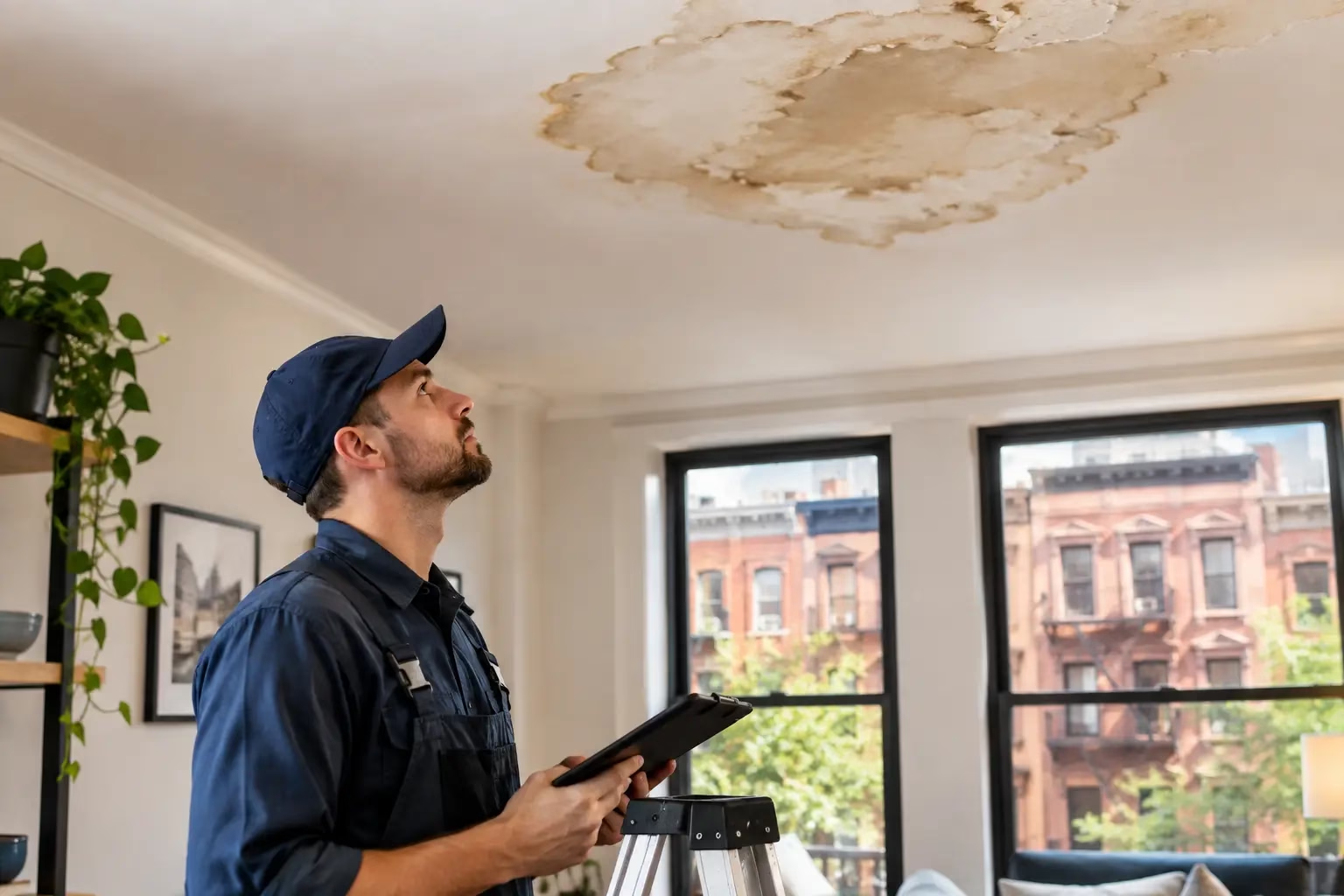
A brown ring spreading across a ceiling is not just a painting problem. For a Brooklyn homeowner, landlord, or property manager, the real question is: what causes ceiling water stains, and is water still entering the building? The stain may have appeared after one hard rain, but the source can be several feet away from where the discoloration shows up. Finding that source early protects plaster, framing, electrical components, and the rooms below.
What Causes Ceiling Water Stains?
Ceiling water stains form when moisture gets above the finished ceiling and carries dirt, rust, tannins, or other residue into the drywall or plaster. As the material dries, those contaminants remain behind as a yellow, brown, or gray mark. A stain can come from an active leak, a one-time overflow, or an old repair that was never properly sealed and repainted.
In NYC properties, especially older brownstones and multi-unit buildings, water does not always travel straight down. It can follow roof decking, joists, pipes, masonry cracks, or electrical conduits before it reaches the ceiling surface. That is why the center of a stain is not always the location of the failure.
The stain’s position and timing are useful clues. A mark that darkens after rain usually points to an exterior water-entry issue. A stain below a bathroom, kitchen, laundry area, or radiator line is more likely related to plumbing. A diffuse stain near an exterior corner can be condensation, roof drainage, or a facade waterproofing concern. Diagnosis should come before cosmetic repairs.
Roof Leaks and Roof Drainage Problems
For top-floor apartments and houses, roofing is one of the most common causes of ceiling staining. Flat and low-slope roofs throughout Brooklyn need dependable drainage and well-maintained flashing. When water ponds on a roof or gets beneath flashing, it can work through the roof assembly and appear on the top-floor ceiling.
Typical roofing causes include worn membrane seams, cracked coatings, loose or corroded flashing, failed pipe-boot seals, damaged skylight flashing, and clogged roof drains or scuppers. On a brownstone, water can also enter where the roof meets a parapet wall or where deteriorated coping allows water into the masonry.
A roof leak is not always obvious during an inspection on a dry day. The problem may only appear during wind-driven rain or after snow melts. If the stain grows after storms, document it with photos, note the weather conditions, and have the roof, drains, flashing, parapets, and exterior masonry checked together. Replacing a ceiling patch without correcting the roof system only delays the damage.
Why NYC roof leaks can be difficult to trace
Many city buildings have layers of old roofing repairs. A newer coating may hide a weak seam below it, and water can move under the membrane before finding an opening into the building. Rooftop equipment, drains, solar mounts, and older penetrations add more potential failure points. A thorough evaluation should look beyond the visible stain and follow the likely path of water from the roof surface to the interior.
Plumbing Leaks Above the Ceiling
A plumbing leak is another frequent answer to what causes ceiling water stains. Supply lines, drain pipes, shower pans, toilet seals, radiator piping, and appliance connections can all leak above a finished ceiling. Unlike a roof issue, plumbing-related staining may happen in any season and may worsen when a fixture is used.
A small pinhole leak in an old pipe can create a stain slowly over weeks or months. Drain-line leaks often show up only when a shower, sink, or toilet is running. A failed toilet wax ring may stain the ceiling below after repeated use, while a leaking refrigerator ice-maker line can damage a kitchen ceiling in a unit below.
In apartments and attached buildings, the source may be in a neighboring unit. Property managers should coordinate access quickly, because the visible ceiling damage may be one floor below the actual plumbing failure. Shutting off the affected fixture or water line can limit damage while the leak is being located.
Do not assume a bathroom stain is automatically caused by a pipe. Failed shower caulk, cracked grout, loose tile, or a damaged shower pan can allow water into wall and floor assemblies. Those failures often need both waterproofing repair and restoration of the ceiling below.
Condensation and Poor Ventilation
Not every ceiling stain comes from a traditional leak. Condensation can create moisture marks, peeling paint, mildew, and soft drywall when warm indoor air meets a cold surface. Bathrooms without effective exhaust, poorly insulated top-floor ceilings, and unconditioned spaces above a ceiling are common trouble areas.
This is especially common in winter, when steam from showers and cooking collects on colder ceiling areas. If the stain is accompanied by mildew spotting, persistent dampness, or paint bubbling rather than a defined water ring, condensation may be contributing. Still, it is worth ruling out a roof or plumbing leak before treating it as a ventilation issue.
The right repair depends on the building condition. It may involve restoring or installing proper bath ventilation, sealing air gaps, improving insulation, correcting a roof leak, or addressing moisture entering through exterior walls. Simply running a fan longer will not solve a ceiling assembly that is getting wet from outside.
Exterior Masonry, Facade, and Window Failures
In masonry-heavy neighborhoods such as Park Slope, Brooklyn Heights, Bed-Stuy, and Cobble Hill, water can enter through the building envelope and show up as a ceiling stain near an exterior wall. Deteriorated mortar joints, cracked stucco, failed window flashing, damaged sills, and open gaps around cornices can admit water during heavy rain.
Brick itself is durable, but mortar joints, flashing details, sealants, and coping conditions need maintenance. When brick pointing has failed or masonry cracks have widened, rain can saturate wall cavities. Moisture may then migrate inward and affect ceilings near the perimeter of the room.
These conditions require more than interior patching. The exterior should be evaluated for pointing, masonry repair, waterproofing, cornice restoration, and proper drainage details. Applying a stain-blocking primer indoors may improve the appearance temporarily, but it will not stop water entering through a compromised facade.
HVAC, Radiators, and Mechanical Equipment
Air-conditioning systems can also stain ceilings. A blocked condensate drain, improperly insulated refrigerant line, or overflowing drain pan can release water above a ceiling. These stains often appear during the cooling season and may be close to ductwork, fan-coil units, or mechanical closets.
In older NYC buildings, radiator pipes and heating lines deserve attention as well. A slow leak from a valve, fitting, or concealed heating pipe can stain a ceiling below. Rust-colored marks sometimes indicate contact with metal components, although color alone cannot identify the source with certainty.
Commercial spaces may have additional possibilities, including rooftop HVAC units, sprinkler piping, or plumbing serving upper-floor tenants. The key is to identify what systems are located above the damaged area and whether the stain changes when those systems operate.
How to Tell Whether the Problem Is Active
A dry-looking stain can still be a warning sign. Run a clean hand across the area and look for softness, cracking, sagging, flaking paint, or a musty odor. Use caution around light fixtures, because moisture near electrical wiring can be hazardous. If water is dripping, the ceiling is bulging, or a fixture is wet, turn off power to the affected area if it is safe to do so and call a qualified professional promptly.
Active leaks often produce new discoloration, a damp edge, bubbling paint, or continued growth after rain or fixture use. Older stains are usually dry and stable, but they still need an explanation before repainting. A moisture meter and a careful inspection above and around the damaged ceiling can help distinguish a past event from an ongoing one.
Why You Should Not Paint Over a Water Stain First
Painting over a ceiling stain before solving the moisture source is a common and expensive mistake. Standard ceiling paint will usually allow the stain to bleed back through. More importantly, hidden moisture can continue damaging drywall, plaster lath, wood framing, insulation, and nearby finishes.
Once the source is repaired and the area has fully dried, damaged material should be assessed. Minor staining on sound drywall may only need cleaning, a quality stain-blocking primer, and repainting. Soft, crumbling, mold-affected, or sagging ceiling material should be removed and replaced. Historic plaster ceilings may need a more careful repair to preserve the surrounding finish.
Get the Source Fixed Before the Ceiling Is Restored
A ceiling stain is often the first visible sign of a larger maintenance issue, not the entire problem. Whether the cause is a roof leak, pipe failure, condensation, or facade water entry, the correct order is simple: stop the water, dry the assembly, repair damaged materials, then finish and paint the ceiling.
Best Budget Construction helps NYC property owners address both sides of the job, from roofing, waterproofing, masonry, and interior repairs to professional ceiling restoration and painting. If a stain has appeared, arrange an inspection and estimate before the next storm, plumbing use, or seasonal temperature change turns a small repair into a larger restoration project.
