

A basement can look dry for months, then reveal a damp wall, peeling paint, musty odor, or puddle after one hard New York rain. Knowing how to prevent basement moisture starts with finding where the water is entering – not simply covering the evidence with new paint, paneling, or a dehumidifier. In Brooklyn brownstones, attached homes, and older multifamily properties, moisture often comes from several small failures working together.
How to Prevent Basement Moisture Before It Becomes Damage
Basement moisture is not always a flood. Sometimes it appears as white powder on masonry, rust on mechanical equipment, warped trim, mold growth behind finished walls, or a persistent damp smell. These are early warnings that moisture is moving through the building envelope.
The first step is to identify the pattern. Water that appears only during or shortly after rain usually points to exterior drainage, roof runoff, damaged masonry, failed waterproofing, or cracks around the foundation. Moisture that stays consistent through dry weather may be condensation, a plumbing leak, high groundwater, or vapor coming through an older concrete slab.
Do not assume the basement itself is the only problem area. A clogged roof leader, loose downspout connection, cracked sidewalk pitch, failing parapet, or open mortar joint above grade can direct a surprising amount of water toward the foundation. In tightly built NYC neighborhoods, runoff has limited places to go, so small drainage problems can become major basement problems.
Start Outside: Move Water Away From the Building
The most effective moisture prevention work often begins outdoors. Roofs, gutters, leaders, and drains should carry water away from the building without overflow, leaks, or discharge at the foundation line. After a storm, inspect where water collects. If it pools beside the front stoop, rear yard wall, foundation, or cellar entrance, it needs to be redirected.
Check that downspouts and leaders are intact and connected correctly. Clean debris from gutters and roof drains before heavy rain season. A damaged leader can send water inside a wall cavity, where it may travel downward and show up in the basement far from the actual source.
Grade matters too, although it is not always easy to change around a Brooklyn row house or brownstone. Patio surfaces, rear yards, concrete walkways, and sidewalk sections should drain away from the structure whenever possible. Sunken areas, cracked concrete, and failed joints can collect water against the building over time. Repairing the surface and correcting the slope may be more valuable than repeatedly patching a damp interior wall.
Inspect Masonry, Foundation Walls, and Entry Points
Historic brick and brownstone buildings need regular exterior maintenance. Open mortar joints, cracked brick, deteriorated stucco, failed flashing, and damaged waterproof coatings allow rainwater into the wall system. Once masonry becomes saturated, moisture can migrate inward long after the rain stops.
Brick pointing is not cosmetic when mortar is failing. Proper repointing removes deteriorated joints and installs compatible mortar that protects the wall without trapping moisture. The wrong mortar or a quick surface patch can create new problems, especially on older masonry that needs to breathe and shed water correctly.
Pay close attention to basement windows, window wells, bulkhead doors, utility penetrations, exterior steps, and the joint between the foundation wall and slab. These are common entry points. A cracked bulkhead threshold or poorly sealed pipe penetration may admit water only during wind-driven rain, making the source difficult to spot without a careful inspection.
Interior Moisture Control Is Part of the Solution
Exterior repairs stop most water at its source, but interior conditions still matter. Basement air is naturally cooler, and warm humid air can condense on cold pipes, masonry, and concrete. This is especially common during New York summers, when opening basement windows may bring in more humid air rather than dry the space.
A properly sized dehumidifier can help maintain relative humidity, but it is not a substitute for waterproofing. If water is entering through the wall or floor, a dehumidifier is managing a symptom while the building material stays wet. Use it as part of an overall plan, particularly after repairs or in a finished basement.
Insulate cold water pipes to reduce condensation, repair plumbing leaks promptly, and make sure clothes dryers, bathroom fans, and mechanical equipment vent correctly. For finished basements, avoid placing drywall, wood flooring, or insulation directly against a damp masonry wall. The assembly needs the right moisture barrier, drainage approach, and materials for the existing condition.
When Interior Waterproofing Makes Sense
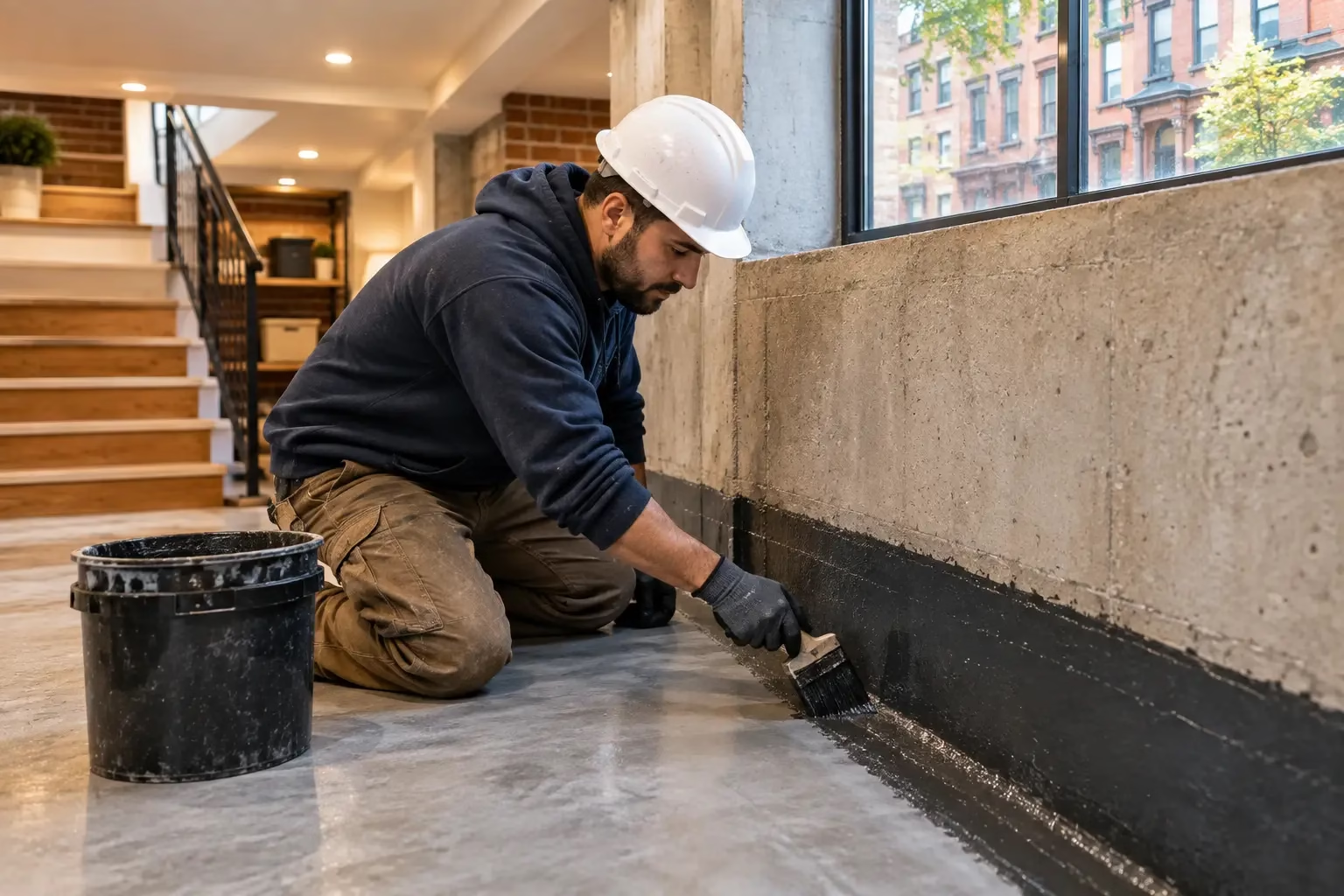
Interior waterproofing can be the right approach when exterior excavation is impractical, access is limited, or groundwater pressure is a continuing concern. Depending on the condition, the work may include an interior drainage channel, sump pump system, vapor barrier, wall treatment, or drainage mat behind new finishes.
There is a trade-off. Interior systems can control water after it reaches the foundation, but they do not repair damaged exterior masonry, failed leaders, or poor surface drainage. On the other hand, exterior waterproofing may require excavation, removal of paving, or access that is not available along a shared property line. The best solution depends on the source, the age of the building, soil conditions, and how the basement will be used.
If the space will become a family room, office, storage area, or rental-ready lower level, solve moisture issues before beginning basement remodeling. Installing finishes first can hide leaks until mold, rot, or damaged framing makes the repair more expensive.
A Practical Inspection Checklist After Rain
After a steady rain, walk through the property with a flashlight. Look for water marks at the base of walls, damp corners, active drips, bubbling paint, and white mineral deposits called efflorescence. Check exposed pipes and ceiling areas for leaks that may be mistaken for groundwater.
Outside, inspect roof edges, leaders, drains, masonry joints, cellar doors, windows, and paved areas. Take photos when water is present. Moisture patterns are valuable because they help distinguish a roof drainage issue from a foundation leak or plumbing problem.
If you notice a musty smell but cannot see water, move stored boxes and furniture away from exterior walls. Cardboard, rugs, and wood shelving hold moisture and can conceal mold growth. Keep stored materials elevated from the floor and leave air space around perimeter walls.
Best Budget Construction in Brooklyn & NYC
For older NYC properties, moisture control often requires more than one trade. A reliable repair plan may involve roofing, masonry pointing, facade restoration, cement work, sidewalk repair, drainage correction, waterproofing, and interior restoration after the source is fixed. Coordinating these items through one experienced contractor helps prevent a patchwork repair that addresses only the visible damage.
Best Budget Construction evaluates basement moisture in the context of the whole property, including the roofline, exterior wall condition, drainage paths, foundation areas, and interior finishes. This is particularly useful for brownstones and attached buildings in neighborhoods such as Park Slope, Brooklyn Heights, Cobble Hill, Bed-Stuy, and Williamsburg, where aging masonry and limited exterior access can complicate repairs.
License & Insurance credentials for all services
Waterproofing and structural repair work should be handled by a contractor prepared to assess the building condition, protect the work area, and explain the scope clearly. Ask what is causing the moisture, what repairs are recommended first, and whether the proposal addresses the source of water or only the cosmetic damage.
A clear estimate should separate necessary repair work from optional upgrades. For example, repointing a failing wall may be urgent, while finishing the basement can wait until the area has remained dry through changing weather. This approach protects your budget and reduces the chance of reopening finished walls later.
100% OSHA guidelines compliant
Basement and exterior repair work can involve confined areas, ladders, excavation, electrical equipment, mold-affected materials, and heavy masonry. Safe jobsite practices protect occupants, workers, and the property. Proper preparation also helps keep a moisture repair on schedule, especially when work requires coordination around occupied apartments, shared access, or commercial operations.
Free Estimate Call (917) 674-9488
Do not wait for a small damp spot to become a basement renovation problem. A focused inspection after the next rainfall can reveal whether the issue is drainage, masonry, roofing, plumbing, condensation, or a combination of conditions. Addressing the water path early is usually the most affordable way to protect the basement space you already have.
