

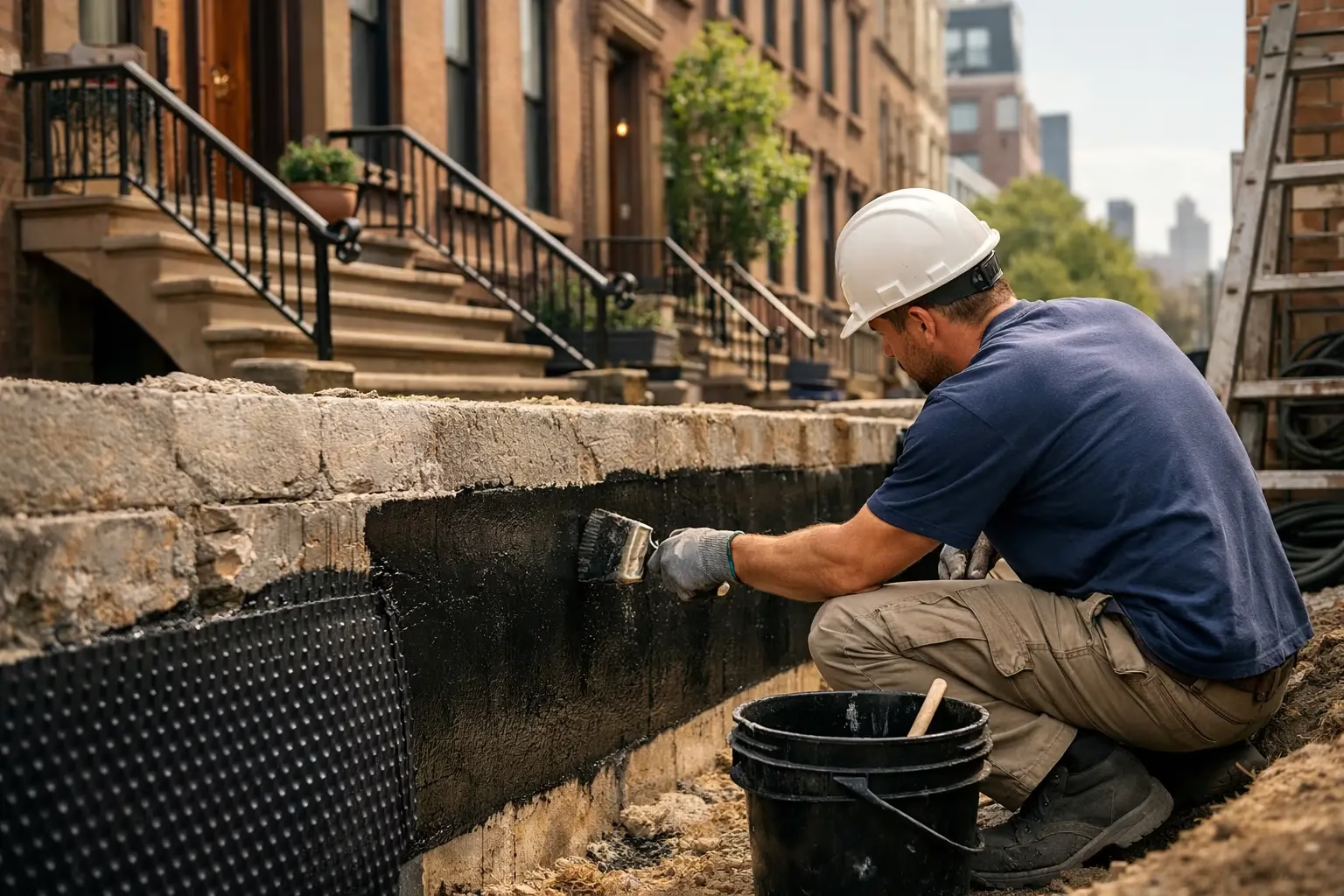
Water stains on a parlor wall, bubbling paint near a window, a musty garden-level room after heavy rain – these are usually not small problems in a Brooklyn brownstone. They are early signs that water is finding a path through masonry, roofing, joints, or below-grade walls. If you are searching for brownstone waterproofing contractors Brooklyn property owners can rely on, the real goal is not just patching a leak. It is protecting the structure, preserving the exterior, and avoiding larger repair bills later.
Brooklyn brownstones are built differently than newer homes, and they fail differently too. Age, freeze-thaw cycles, old mortar, cracked stucco, worn roof flashings, and neglected facade maintenance all work together to let moisture in. That is why waterproofing on a brownstone needs a contractor who understands historic masonry, exterior restoration, and the way NYC buildings actually perform in the field.
Why brownstones leak in the first place
A lot of owners assume the wet spot they see is coming from the exact area above it. Sometimes it is. Often it is not. Water travels. It can enter through parapet walls, roof edges, failed pointing joints, cracked brownstone coating, or window perimeters and show up several feet away inside.
Brooklyn homes in neighborhoods like Park Slope, Brooklyn Heights, Bed-Stuy, and Carroll Gardens tend to share the same basic issue: older exterior envelopes that have been repaired in pieces over time. One owner patches the roof, another paints over masonry, someone else seals a crack with the wrong product. The result is a building that may look fine from the sidewalk but is still taking on water.
That is why a serious contractor starts with diagnosis, not guesswork. Waterproofing is only as good as the inspection behind it.
What brownstone waterproofing contractors in Brooklyn should actually inspect
Good waterproofing work starts outside. The facade, cornice, coping stones, parapets, lintels, sills, stoops, sidewalls, and roof transitions all matter. If one area fails, water can move through the rest of the assembly and create interior damage that looks unrelated.
A qualified contractor should also inspect mortar joints, brick condition, cracks in brownstone surfaces, sealant failures around windows and doors, and signs of moisture in basement or cellar walls. On many older properties, more than one condition is contributing to the leak. That is normal. It also means the cheapest single-fix estimate is not always the right one.
This is where experience matters. A contractor who handles facade restoration, roofing, masonry, pointing, stucco, and waterproofing under one roof has a better chance of seeing the full picture. That saves owners from hiring three different companies who each blame the other trade.
Brownstone waterproofing contractors Brooklyn owners hire for lasting work
The best brownstone waterproofing contractors Brooklyn owners hire tend to approach the job as building-envelope repair, not just coating application. Waterproof paint alone will not solve deteriorated mortar. A surface sealant will not correct a failed flashing detail. Interior patchwork will not stop water entering through the facade.
Real waterproofing often includes a combination of masonry repair, brick pointing, crack repair, facade sealing, roof edge corrections, parapet work, window perimeter sealing, and below-grade moisture control when needed. Some jobs are straightforward. Others require staged repairs because once the first failed area is fixed, the next weak point becomes obvious.
That is not upselling. That is how older buildings behave.
Common waterproofing services for Brooklyn brownstones
Facade crack repair and sealing
Hairline and open cracks in brownstone coatings, stucco, and masonry surfaces let water in slowly. Over time, that moisture expands during freeze-thaw weather and makes the damage worse. Proper repair means opening, treating, and restoring the area with compatible materials, not simply smearing caulk over the surface.
Brick pointing and masonry repair
Old mortar joints are one of the most common entry points for water. Repointing replaces deteriorated mortar and helps restore the wall’s ability to resist moisture. The important detail is matching the mortar correctly. If the mix is too hard or applied poorly, it can damage surrounding brick and trap moisture instead of managing it.
Roof and parapet waterproofing
Many brownstone leaks start at roof transitions. Flashings pull away, coping stones crack, and parapet caps allow water behind the wall. A waterproofing contractor with roofing knowledge can address these details before interior plaster and framing are affected.
Basement and cellar waterproofing
Garden-level and below-grade spaces take on moisture from foundation walls, floor joints, exterior drainage problems, and hydrostatic pressure. The fix depends on the source. Sometimes exterior corrections solve the problem. Sometimes the space also needs interior waterproofing measures and cement-based repair systems.
Window and lintel leak repair
Water around windows is often blamed on the window unit itself, but the problem may be failed sealant, deteriorated lintels, cracked sills, or masonry gaps around the opening. A careful inspection can prevent unnecessary window replacement.
What to ask before hiring brownstone waterproofing contractors Brooklyn has to offer
Licensing and insurance should be non-negotiable. In New York City, exterior and structural work carries real liability, especially on attached properties and landmark-type streetscapes. You also want a contractor who understands OSHA safety requirements and can explain the repair plan in plain language.
Ask how they identify the source of the leak. Ask whether they perform related work like masonry, facade repair, roofing, and restoration in-house or subcontract everything. Ask what is included in the estimate and whether the proposal addresses root causes or only visible symptoms.
It also helps to ask about material compatibility. Brownstones and older masonry buildings cannot always be treated the same way as modern block or concrete structures. The wrong coating or sealant can trap moisture and create more spalling, peeling, and surface failure later.
The cost question: cheap waterproofing vs. affordable waterproofing
Most owners are not looking for the most expensive contractor. They want the problem fixed at a fair price. That makes sense. But there is a difference between affordable work and temporary work.
A low estimate may only cover surface patching. That can look attractive until the next storm. A better estimate may include pointing, crack repair, sealant replacement, localized masonry rebuilding, and proper waterproofing where the building actually needs it. The second number is higher, but it usually reflects the real scope.
For landlords and property managers, that trade-off matters even more. Repeated tenant complaints, interior repainting, mold cleanup, and plaster damage quickly cost more than doing the exterior repair correctly the first time.
Why local brownstone experience matters
Brooklyn waterproofing is not the same as waterproofing a detached suburban house. Brownstones deal with party walls, narrow access, aging stoops, street-facing facades, rooftop drainage complications, and years of layered repairs. In many cases, the visible problem is tied to a second condition somewhere nearby.
That is why local experience matters. A contractor who regularly works on brownstones in neighborhoods like Cobble Hill, DUMBO, and Williamsburg is more likely to recognize the warning signs early and recommend practical repairs that match the building type. They also understand how to coordinate restoration work without losing sight of budget.
For many owners, that one-stop approach is a major advantage. If waterproofing leads to facade repair, cornice work, painting, or interior plaster repair, it is easier to manage the project when one licensed and insured company can handle the full scope. Best Budget Construction works this way because brownstone problems rarely stay in one category for long.
When to act on a waterproofing problem
If you are seeing recurring stains, peeling paint, damp basement walls, crumbling mortar, or leaks after heavy wind-driven rain, it is time to get the building checked. Waiting usually turns a manageable exterior repair into a broader restoration job.
The right time to waterproof is before visible damage spreads, not after finishes are already failing indoors. Early repairs are usually cleaner, less disruptive, and more cost-effective. They also help preserve the value of a property that already requires ongoing maintenance to stay in good shape.
A good contractor should be able to tell you what needs immediate attention, what can be phased, and what is still holding up. That kind of honest scope matters, especially for owners balancing preservation, tenant needs, and budget.
If your brownstone is showing signs of water intrusion, get a proper inspection and a clear estimate from a contractor who knows Brooklyn masonry, roofing, and restoration work firsthand. The sooner you stop water at the exterior, the easier it is to protect everything behind the wall.
