

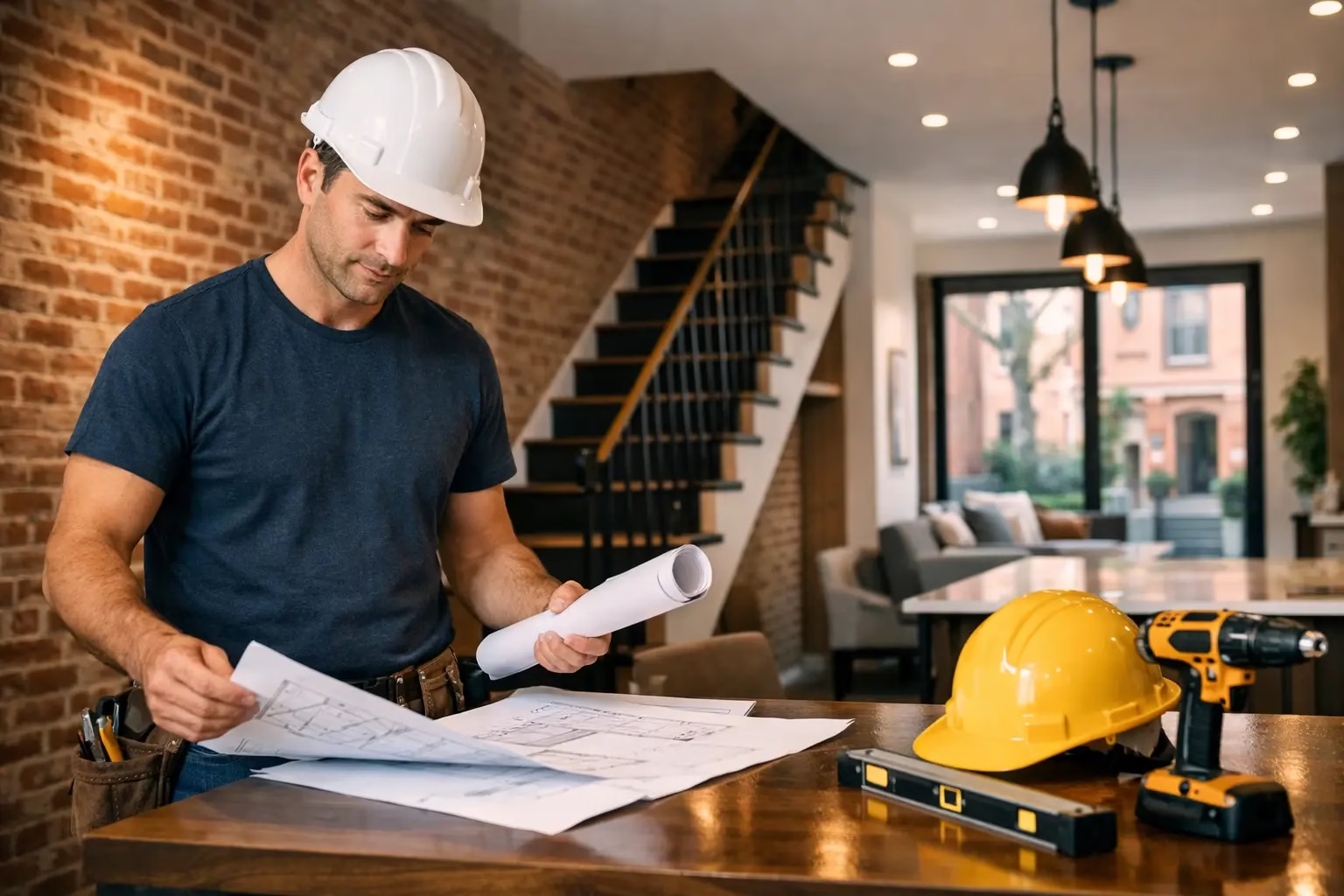
A Brooklyn brownstone renovation can start with a worn kitchen or a water-stained ceiling, then quickly reveal cracked masonry, outdated plumbing, uneven floors, or a roof issue that cannot wait. Hiring a design build renovation contractor gives property owners one accountable team to assess the full condition of the building, plan the work, price it clearly, and complete it without passing problems between separate designers and trades.
For homeowners, landlords, and commercial property managers in New York City, that matters. Older buildings rarely need just one isolated repair. A bathroom upgrade may require plumbing changes. A façade restoration project may expose waterproofing needs. A kitchen renovation may call for electrical upgrades, wall repairs, painting, and finish carpentry. The right contractor helps you see the whole project before construction begins.
What a Design Build Renovation Contractor Does
A design-build contractor handles both the planning and construction sides of a renovation. Instead of hiring a designer, architect, general contractor, painter, mason, roofer, and repair crew separately, you work with one team that coordinates the project from the first walkthrough through final cleanup.
That does not mean every project needs a complicated design package. If your goal is to repair a damaged ceiling, repaint an apartment, repoint brick, or replace a failing sidewalk section, the process can be straightforward. But when several systems overlap, design-build planning prevents costly surprises and missed details.
For example, a kitchen renovation is more than cabinets and countertops. The contractor should inspect the existing electrical service, plumbing lines, ventilation, floor condition, wall layout, and any structural concerns before finalizing the scope. On a brownstone or prewar property, this early review is especially valuable because hidden conditions are common.
A dependable contractor should also explain what is included in the estimate, what may require additional investigation, and what permits or approvals may apply. Clear communication is part of the work, not an extra service.
Why One Team Makes Sense for NYC Properties
New York City renovation work demands coordination. Tight access, occupied units, neighboring buildings, historic details, building rules, and changing site conditions can affect the schedule and budget. When the design and construction teams are disconnected, the owner can end up relaying messages, resolving disputes, and paying for avoidable revisions.
With a single point of responsibility, decisions move faster. The team completing the work understands why a wall is being moved, which materials were selected, where waterproofing must connect, and how finish work should look when the job is done.
This approach is useful for projects such as kitchen and bathroom remodeling, basement finishing, interior repairs, commercial build-outs, brownstone restoration, roofing, masonry repairs, façade work, stucco, brick pointing, and waterproofing. The scope may vary, but the value is the same: one contractor coordinates the trades and remains responsible for execution.
There is also a budgeting advantage. Separate contractors may each price only their portion of the work. A design-build team can identify related items early, such as repairing deteriorated framing before installing new finishes or addressing drainage before restoring exterior masonry. It is not a promise that older buildings will never reveal hidden conditions. It is a better way to reduce the chance of discovering obvious issues after the work is already underway.
The Right Process Starts Before Demolition
The first meeting should not feel like a rushed sales visit. A qualified contractor needs to understand the property, your goals, your budget range, and the condition of the existing space. If you own a rental building, the conversation should also cover tenant access, protection of common areas, timing, and work that can be phased to limit disruption.
After the walkthrough, the contractor should develop a practical scope. That scope may include measurements, material selections, repair recommendations, labor, site protection, debris removal, and a realistic sequence of work. For exterior projects, it should address safety, access requirements, and how the contractor will protect pedestrians and adjoining surfaces.
The estimate should be detailed enough for you to understand what you are paying for. The lowest number is not always the best value if it leaves out demolition, prep work, waterproofing, permits, disposal, or necessary repairs. On the other hand, a high price without a clear breakdown does not create confidence either. The goal is an honest scope and a price that matches it.
Before work begins, confirm the contractor is licensed and insured for the job. In NYC, safety practices are not optional. Contractors and crews should follow OSHA requirements, maintain an organized jobsite, and use proper protection for residents, workers, and the public.
Design Choices Should Fit the Building and the Budget
Good renovation design is not about choosing the most expensive finish in a showroom. It is about making smart decisions that fit how the space is used and how the building performs.
In a rental apartment, durable flooring, easy-to-maintain paint, dependable fixtures, and practical storage may be the right priorities. In an owner-occupied brownstone, you may want to preserve original millwork, restore a historic cornice, or select finishes that complement existing details. In a small commercial space, durability, customer flow, code considerations, and the construction schedule may carry more weight than decorative upgrades.
A knowledgeable contractor should be able to discuss these trade-offs directly. Natural stone can look excellent but requires maintenance. Custom cabinetry creates a tailored fit but can extend lead times. Moving plumbing can improve a bathroom layout but adds cost and complexity. Sometimes the best decision is to keep the existing layout and invest the budget in better waterproofing, electrical upgrades, or quality finishes.
This is where practical design-build advice pays off. The plan should look good, but it also needs to be buildable, maintainable, and appropriate for the property.
Watch for Warning Signs Before You Hire
Property owners should be cautious when a contractor provides a price without inspecting the site, cannot explain the scope, or pressures you to make a fast decision. Renovation work involves real conditions, especially in aging NYC buildings. A contractor who promises an unrealistically low price or immediate completion without reviewing those conditions may create problems later.
Be careful with vague proposals that simply say bathroom renovation or exterior repair with no details. Ask how the team will handle demolition, protection, permits, material allowances, cleanup, changes in scope, and scheduling. You should know who will be supervising the job and how you will receive updates.
Experience with local building types matters, too. Brick façades, brownstone stoops, cornices, flat roofs, basement moisture, and interior plaster repairs each require different skills. A contractor who handles both interior renovation and exterior restoration can recognize when the problems are connected instead of treating each one as a separate issue.
Choose a Contractor Built for the Full Scope
The best design-build relationship is based on straight answers and steady work. You should feel comfortable asking questions about cost, materials, safety, schedule, and what happens if the project uncovers hidden damage. The contractor should be just as focused on protecting your property as on completing the visible improvements.
Best Budget Construction serves property owners who need that full-service approach, from interior remodeling and professional painting to roofing, masonry, waterproofing, façade restoration, and brownstone repair. A licensed, insured team with hands-on NYC experience can help keep the project organized while giving you one place to call when the work involves more than one trade.
If your property has an outdated room, aging exterior, recurring leak, damaged masonry, or a renovation idea that has grown into a larger project, start with a thorough site visit and a clear estimate. The right plan is not the fanciest one. It is the one that solves the real problem, respects your budget, and leaves the building in better condition than before.
