

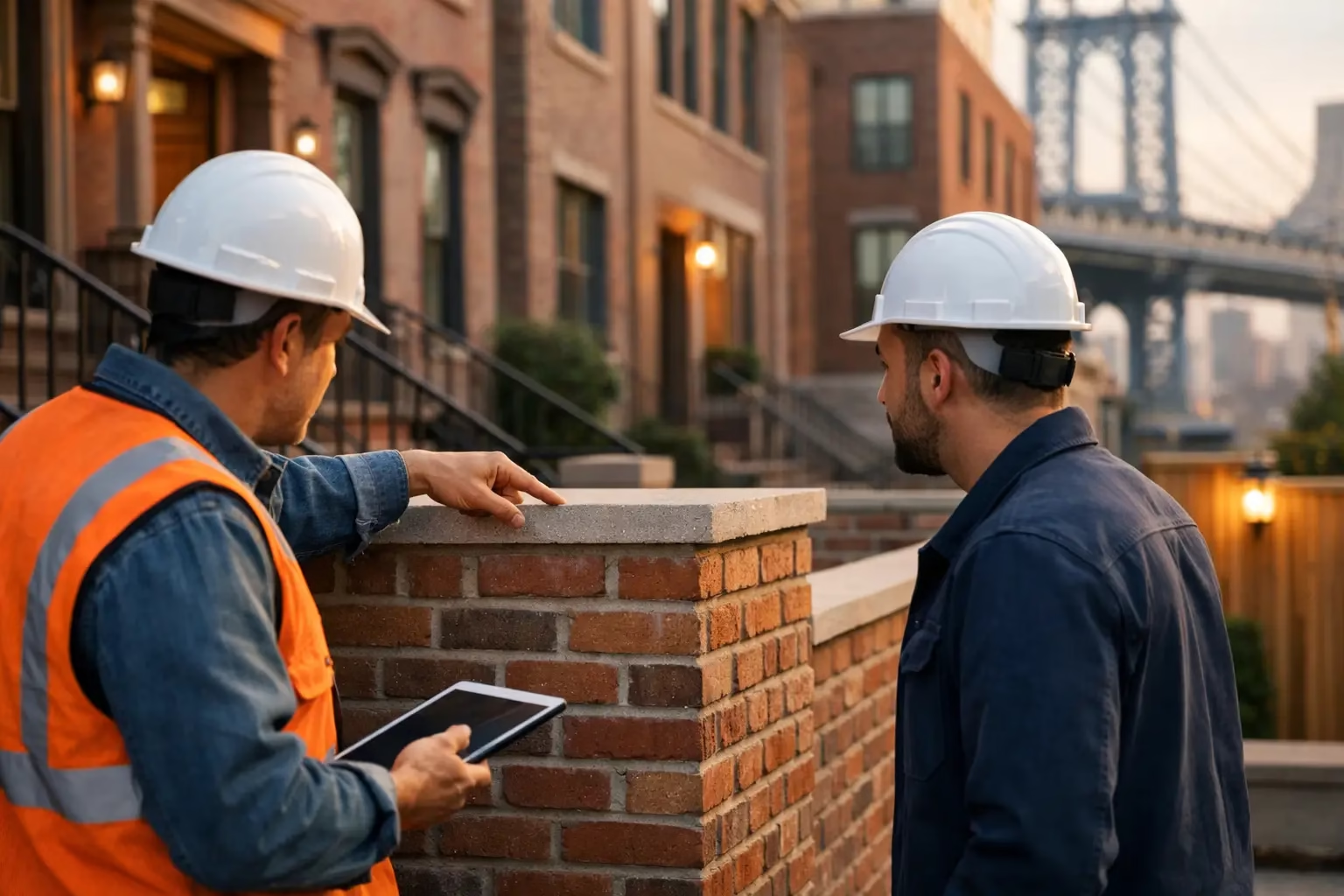
A five-star review can tell you that a crew arrived on time and left a clean work area. It cannot always tell you whether the brick pointing mix was right for a 100-year-old brownstone or whether a cracked facade received the repair it actually needed. Masonry contractor ratings are useful, but NYC property owners should treat them as the beginning of their hiring process, not the final answer.
For a Brooklyn townhouse, mixed-use building, or commercial storefront, masonry work affects more than curb appeal. Failed mortar, loose brick, deteriorated stucco, and water entry can grow into expensive structural, interior, and safety problems. The right contractor should have a record of dependable service and the technical judgment to work on the building in front of them.
What Masonry Contractor Ratings Can Tell You
Ratings are most helpful when you read beyond the overall score. A contractor with a large number of detailed, recent reviews generally gives you more to evaluate than one with a perfect rating based on only a few comments. Look for patterns in what customers say about communication, scheduling, jobsite protection, cleanup, change orders, and whether the completed work held up over time.
For masonry and exterior repair, the best reviews mention the actual scope of work. Comments about brick pointing, parapet repairs, facade restoration, cement work, waterproofing, sidewalk repair, stucco patching, or brownstone restoration carry more weight than a general comment that says the contractor was “great.” Specific feedback suggests the reviewer understands what was done and had a real project experience.
Pay close attention to reviews from buildings similar to yours. A homeowner with a detached suburban house may have a different set of concerns than an owner in Park Slope, Brooklyn Heights, or Bed-Stuy. NYC properties often involve narrow access, aging masonry, shared walls, landmark-sensitive details, pedestrian protection, and weather exposure that can complicate a repair.
A negative review is not always a deal breaker. Construction can involve hidden conditions behind damaged brick, under loose stucco, or below a failing sidewalk. What matters is how the contractor addressed the problem. Did they explain the condition, provide options, document the added work, and keep the owner informed? A fair response to a complaint can reveal more about a company than a page of generic praise.
Where Ratings Fall Short on Masonry Work
Online ratings do not inspect the mortar joints, flashing, wall ties, waterproofing details, or materials used on your building. A repair may look clean on the day it is finished and still fail early if the preparation was rushed or the work was not compatible with the existing structure.
This is especially true for historic brick and brownstone properties. Using mortar that is too hard can damage older, softer brick over time. Repointing only the visible face of a joint without properly removing failed mortar may create a cosmetic fix instead of a durable repair. Waterproof coatings can also become a problem when they trap moisture in a wall that needs to breathe.
That is why price and star ratings alone should not decide the job. A low quote may exclude access, protection, material matching, permit-related requirements, or necessary repairs found after the work begins. The lowest number can become the highest cost if the contractor has to return to correct premature cracking, leaks, or failed masonry.
How to Read Reviews Like a Property Owner
Start by filtering for recent feedback, ideally from the past year or two. Construction teams, subcontractor relationships, and management practices can change. Then read a range of reviews rather than stopping at the first few positive comments.
Look for consistency around the issues that matter on your property. For exterior masonry projects, that includes clear estimates, licensed and insured operations, safe work practices, protection of windows and landscaping, coordination around tenant access, and realistic completion dates. If scaffolding, sidewalk protection, or work near neighboring properties is involved, experience with urban jobsite logistics matters as much as craftsmanship.
It also helps to compare the written reviews with the contractor’s project photos and estimate process. A company should be able to explain what caused the masonry damage, what repair they recommend, and why that approach fits the wall. Be cautious if the conversation jumps straight to a broad “waterproofing” solution without identifying the likely source of the moisture.
Ask direct questions during the estimate. Will the contractor remove failed mortar to the proper depth before repointing? How will they match the brick and mortar color? Are they repairing only the damaged area, or is there evidence of a larger facade issue? What is included in the price, and what conditions could require a written change order? Straight answers are a better sign than vague promises.
Verify More Than the Star Rating
Before signing an agreement, confirm the basics that reviews cannot prove. For a serious masonry repair, property owners should verify licensing, insurance, workers’ compensation coverage, and the contractor’s experience with comparable NYC buildings. If your project involves exterior access, ask how the crew handles safety, including OSHA-compliant practices and site protection.
You should also request a written scope of work. It does not need to be filled with technical language you cannot understand, but it should clearly state the areas being repaired, the materials or finish expected, preparation steps, cleanup, payment terms, and how additional work will be approved. A transparent estimate protects both the property owner and the contractor.
For larger facade, cornice, parapet, or restoration work, discuss permits and building requirements early. The exact requirements depend on the condition of the property and scope of work. A qualified contractor will not pretend every job follows the same path. They should explain what they know, identify where further evaluation is needed, and avoid making promises that do not match the building’s condition.
References can still be valuable, particularly for major restoration work. Ask for examples of completed projects that are similar in age, material, and complexity. You are not looking for a sales presentation. You are looking for proof that the contractor has handled the same kind of water damage, cracked masonry, failing joints, or urban access challenge before.
Comparing Masonry Estimates Fairly
Property owners often receive estimates that are difficult to compare because each contractor describes the work differently. One quote may say “repoint brick,” while another explains removal depth, joint preparation, mortar application, replacement brick allowances, cleanup, and waterproofing details. The more complete estimate may cost more, but it may also be the only one addressing the full repair.
Compare scope before comparing totals. If one contractor recommends spot pointing and another recommends a broader repair, ask each one to explain the reason. The answer may depend on how widespread the deterioration is, whether water is entering behind the facade, and how much sound material remains. A responsible contractor should be willing to discuss the trade-off between a limited repair now and a more extensive repair designed to last longer.
Also consider scheduling honestly. Emergency stabilization may need immediate attention, while non-urgent cosmetic repointing can sometimes be planned around weather, access, and budget. The contractor who promises the fastest start is not automatically the best choice if they cannot explain crew availability, protection measures, or how they will complete the job on time.
Choose a Contractor You Can Hold Accountable
The strongest masonry contractor ratings are backed by a professional estimate, documented credentials, experienced field work, and communication you can rely on after the contract is signed. Reviews should reinforce what you see during the consultation: a contractor who looks closely at the property, explains the repair in plain language, and provides a realistic plan instead of a quick patch.
Best Budget Construction works with NYC property owners who need practical masonry, facade, cement, waterproofing, and brownstone repair solutions without being pushed into work they do not need. If your brick, mortar, stucco, or exterior wall is showing signs of failure, request a detailed estimate and get clear answers before a small repair turns into a larger building problem.
