

A damp basement in a Brooklyn brownstone rarely starts with one obvious failure. Water can enter through cracked foundation masonry, collect against the wall because the grade is wrong, travel through an old drain line, or find an opening at a deteriorated sidewalk or areaway. The exterior waterproofing versus drainage decision matters because treating only the visible leak can mean paying for the same repair twice.
For NYC homeowners, landlords, and property managers, the right answer is usually based on where the water is coming from, how often it appears, and what access exists around the building. A practical inspection should identify the water path before anyone recommends excavation, coating, a drain, or an interior patch.
Exterior Waterproofing Versus Drainage: The Core Difference
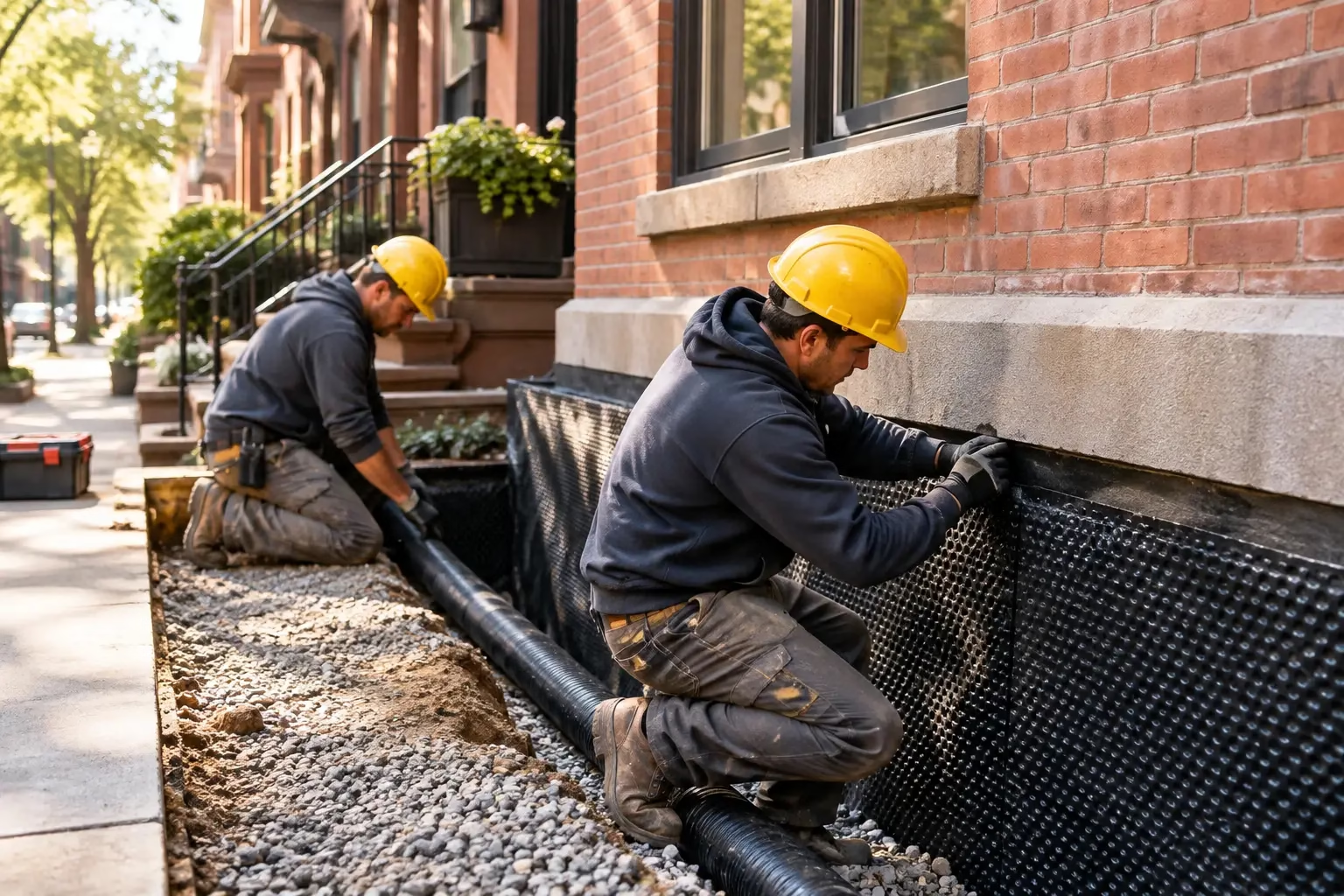
Exterior waterproofing is a protective system installed on the outside face of a foundation wall. It is meant to keep moisture from passing through masonry or concrete. A proper exterior system typically requires excavating to the foundation, cleaning and repairing the wall, applying a waterproof membrane, protecting that membrane, and restoring the area correctly.
Drainage is about moving water away before pressure builds against the foundation. Depending on the property, this may involve correcting exterior grading, repairing leaders and downspouts, installing a footing drain, clearing a clogged drain connection, or improving an areaway drain. Drainage does not make a cracked or porous wall waterproof. It reduces the amount of water that reaches it.
That distinction is critical. Waterproofing blocks water at the wall. Drainage controls water around the wall. On many older NYC properties, especially attached brownstones with limited side access, a dependable repair needs both.
When Exterior Waterproofing Is the Better Investment
Exterior waterproofing is usually the stronger choice when the foundation wall itself has failed. We see this with aging brick and stone foundations, deteriorated mortar joints, open cracks, failed prior coatings, and masonry that stays damp long after a storm. Efflorescence, peeling paint, crumbling plaster, and persistent musty odors inside a cellar can all point to moisture passing through the wall.
It is also worth considering when a basement will be renovated or used for storage, mechanical equipment, laundry, or finished living space. Finishing a basement before correcting exterior moisture is a costly mistake. New framing, drywall, flooring, and paint can hide the issue briefly, but trapped moisture often leads to mold, damaged finishes, and repeat work.
A good exterior waterproofing scope is not just rolling black coating onto exposed masonry. The wall must be prepared, defects must be repaired, and the membrane must be protected from damage during backfill. If excavation is already needed for foundation repair, masonry work, or a sidewalk restoration, combining the work can be more cost-effective than reopening the same area later.
There are trade-offs. Excavation in dense neighborhoods such as Park Slope, Brooklyn Heights, and Cobble Hill can be complicated by narrow access, neighboring foundations, utilities, stoops, vaults, and sidewalk conditions. The work may require more planning than a suburban project, but a properly designed exterior repair addresses the problem at its source.
When Drainage Should Come First
Drainage should be the first priority when rainwater is being directed toward the building. This is common when roof leaders discharge too close to the foundation, a rear yard slopes toward the house, an areaway drain is blocked, or water ponds beside the wall after every storm.
If the basement leaks only during heavy rain and dries relatively quickly, examine drainage before assuming the foundation needs a full waterproofing system. A damaged leader, overflowing gutter, or clogged yard drain can send hundreds of gallons of water against one section of masonry. No repair performs well when water is continuously concentrated at the wall.
Drainage corrections can be less invasive and less expensive than exterior excavation when the foundation itself is sound. Reconnecting leaders, extending discharge away from the building where allowed, regrading a rear yard, repairing cracked drain piping, and restoring an areaway drain can make a meaningful difference.
Still, drainage alone has limits. It cannot solve water that rises from below the footing, a wall with active cracks, or moisture traveling through failed mortar and brick. It also needs maintenance. Leaves, debris, settlement, and neglected roof work can quickly turn a functioning drainage path into a water problem again.
Why NYC Brownstones Often Need Both Systems
Many Brooklyn brownstones were built long before modern waterproofing materials and drainage expectations. Their foundations may be brick or stone, their rear yards may have changed grade over decades, and their roof drainage may have been altered during past renovations. Add aging sewer connections, heavy downpours, and tightly packed neighboring buildings, and water has plenty of opportunities to find a weak point.
For these buildings, the right approach often begins with water management and continues with wall protection. For example, a contractor may repair a leaking leader and restore an areaway drain, then waterproof the accessible foundation wall where moisture damage is confirmed. This reduces hydrostatic pressure while also protecting the masonry from direct water entry.
The sequence matters. Installing a membrane without fixing a roof drainage problem leaves the foundation under unnecessary pressure. Installing a new drain without repairing open foundation joints may reduce the leak but not eliminate it. A complete recommendation should explain what is causing the water, what each repair accomplishes, and which items are urgent versus preventive.
What a Proper Site Review Should Check
A reliable diagnosis does not start with a one-size-fits-all price. It starts with the building conditions. During a review, a contractor should look at the interior leak pattern, exterior wall condition, roof drainage, grading, sidewalk and areaway conditions, and visible drain locations.
Questions that help narrow down the scope include: Does water appear only during rain, or is it present year-round? Is it concentrated along one wall? Are there white mineral deposits or damaged mortar? Does water pool near the foundation? Have roof, sidewalk, facade, or rear-yard changes happened recently?
On commercial properties and multifamily buildings, the review should also consider tenant access, equipment protection, work staging, and coordination with other exterior repairs. A leaking foundation can be connected to facade cracks, failed flashing, roof drainage, or sidewalk settlement. One coordinated plan is usually more efficient than hiring separate trades without a clear order of work.
License & Insurance credentials for all services
Waterproofing and drainage work can affect structural masonry, excavations, sidewalks, drainage connections, and occupied spaces. Property owners should not select a contractor solely because the estimate is the lowest. Ask what work is included, how the existing wall will be repaired, where water will drain, how the excavation area will be protected, and what restoration is included after the repair.
Clear scope matters as much as the material selection. A transparent estimate should separate investigation, demolition or excavation, masonry repair, waterproofing materials, drainage work, backfill, and restoration when applicable. This helps owners compare proposals fairly and avoid surprise change orders caused by vague descriptions.
100% OSHA guidelines compliant
Excavation and exterior masonry work must be handled with safety in mind. In NYC, tight property lines and active sidewalks create real risks for workers, residents, neighbors, and pedestrians. Proper site protection, safe access, debris handling, and careful coordination are not extras. They are part of doing the job professionally.
Best Budget Construction in Brooklyn & NYC approaches waterproofing, drainage, masonry, roofing, and exterior restoration as connected building systems. That broad experience is valuable when the leak is not limited to one trade. A foundation repair may need brick pointing, facade repair, leader work, sidewalk restoration, or basement finishing protection before the job is truly complete.
Free Estimate Call (917) 674-9488
If water is showing up in your cellar, along a foundation wall, or near an areaway after rain, act before another season of freeze-thaw cycles and moisture makes the repair larger. Start with an on-site evaluation and a clear explanation of whether exterior waterproofing, drainage improvements, or a combined approach fits your property. The useful next step is not guessing which system sounds better – it is tracing where the water starts and stopping it there.
