

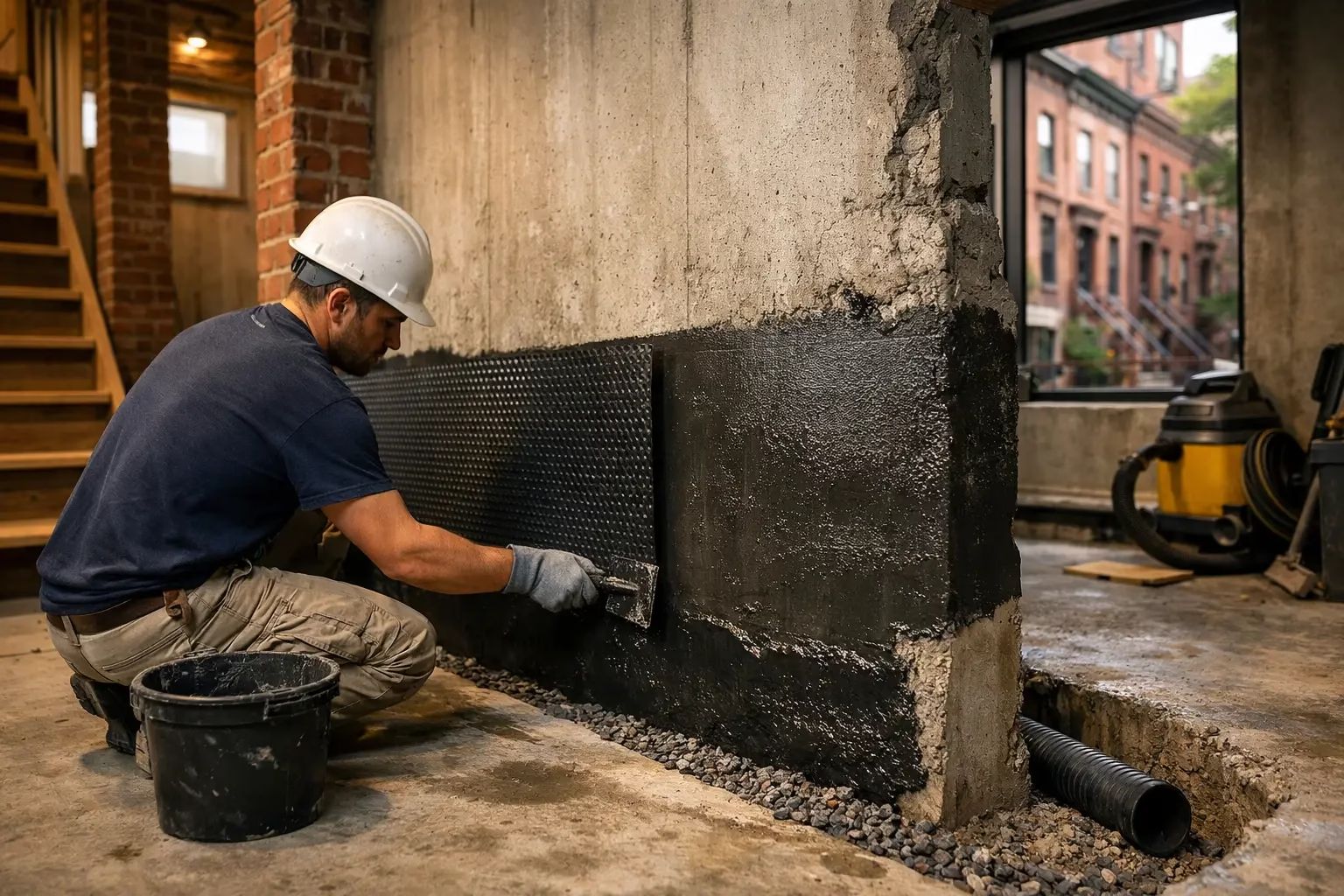
A wet basement rarely starts with a dramatic flood. In many Brooklyn homes, it begins with a damp line along a masonry wall, peeling paint near the floor, a musty smell after rain, or white powdery deposits on old brick. Knowing how to waterproof basement walls means finding where water is entering before covering the evidence with paint, panels, or a finished basement remodel.
For brownstones, townhouses, multifamily buildings, and older commercial properties, the right fix depends on the building’s foundation, exterior drainage, masonry condition, and the type of moisture involved. A waterproof coating can be useful, but it is not a cure for failed pointing, clogged leaders, cracked concrete, or water collecting against the foundation.
Start by Identifying the Source of Moisture
Waterproofing work should begin with an honest inspection. Basement water usually comes from one of three places: rainwater moving through the exterior wall, groundwater pressure below grade, or plumbing and condensation inside the building. Each problem requires a different repair.
Look for patterns. If water appears only during or shortly after heavy rain, exterior drainage, roof runoff, sidewalk grading, and masonry cracks are likely suspects. If the basement stays damp for days without rain, groundwater may be pressing against the foundation wall. If moisture forms on pipes, windows, or cold walls during humid weather, condensation may be the issue instead.
Efflorescence is another useful clue. This white, chalky material appears when water moves through masonry and leaves salts behind as it evaporates. It does not always mean active leaking, but it confirms that moisture has traveled through the wall. Before any basement finishing work begins, that moisture path needs attention.
In NYC’s older buildings, we also inspect the exterior from the roofline down. Overflowing gutters, disconnected downspouts, damaged coping, open mortar joints, deteriorated brick, and poorly sloped paving can all send water toward a basement wall. The leak may show up in the cellar, but the cause can be several stories above it.
How to Waterproof Basement Walls From the Outside
Exterior waterproofing is generally the most durable solution when water is entering through below-grade foundation walls. It addresses water before it reaches the masonry or concrete, rather than managing it after it has entered the basement.
The work typically involves excavating along the foundation, cleaning the wall, repairing cracks and damaged masonry, applying a waterproof membrane, and installing protection or drainage material. A footing drain may also be installed where site conditions and building layout allow. The soil is then backfilled carefully so water drains away instead of pooling beside the foundation.
This approach is more involved and costs more than an interior coating, especially in dense Brooklyn neighborhoods where access is limited and sidewalks, patios, stoops, utilities, or adjacent structures may be involved. Still, exterior work is often the right investment when there is repeated water intrusion, visible foundation deterioration, or plans to finish the basement as usable living or storage space.
Before excavation, a contractor should evaluate permits, utility locations, site access, neighboring foundations, and any required sidewalk or masonry restoration. With attached brownstones and older row houses, waterproofing cannot be treated like a simple suburban dig. Safe shoring, careful excavation, and experienced masonry repair matter.
Repair Masonry Before Applying a Membrane
A membrane should go over a sound surface. Loose mortar, open joints, spalled brick, failing parging, and cracks need repair first. If the wall is structurally compromised or deteriorated by years of moisture, applying a coating over it can hide the issue without stopping it.
For historic or brownstone properties, material selection also matters. The wrong mortar or an overly hard coating can trap moisture in old masonry and contribute to further damage. A contractor familiar with NYC restoration work can match the repair method to the wall instead of using a one-size-fits-all product.
Interior Waterproofing: When It Makes Sense
Interior waterproofing is often practical when exterior excavation is not feasible, when access is restricted, or when the goal is to manage groundwater that reaches the foundation. It can include sealing small cracks, applying a cementitious waterproof coating, installing an interior drainage channel, and directing collected water to a sump pump.
An interior drainage system does not stop water from contacting the exterior wall. Instead, it gives that water a controlled path so it does not build pressure or spread across the basement floor. For properties with persistent groundwater issues, this can be a reliable solution when properly designed and maintained.
Interior coatings work best for minor dampness on stable concrete or masonry surfaces. They are not ideal for an actively leaking wall, a major crack, or a basement with strong hydrostatic pressure. If water is pushing through from outside, a surface coating may eventually blister, peel, or fail.
A sump pump can be an important part of the system, but it needs a proper discharge plan and backup consideration. NYC storms can bring heavy rainfall and power outages at the same time. A battery backup or water-powered backup may be worth discussing for a basement that regularly takes on water.
Do Not Ignore Drainage Above the Basement
Many basement leaks can be reduced significantly by correcting water management at the surface. This is usually less disruptive than excavation and should be checked before major waterproofing work begins.
Make sure gutters are clear, leaders are connected, and roof runoff is directed away from the foundation where possible. Inspect the area around the building for low spots, cracked concrete, loose pavers, or sidewalk sections that pitch water toward the structure. In attached NYC properties, roof drains, rear-yard drains, and neighboring runoff patterns deserve close attention.
Waterproofing also connects to facade maintenance. Repointing open brick joints, repairing damaged stucco, restoring deteriorated brownstone, and sealing appropriate exterior cracks can reduce the amount of water entering the wall assembly. These repairs are not a substitute for below-grade waterproofing when groundwater is the problem, but they can prevent rain-driven leaks from becoming a larger basement issue.
Avoid Quick Fixes That Trap Water
Painting over a damp basement wall is one of the most common mistakes property owners make. Waterproof paint may improve appearance temporarily, but it can conceal active moisture and fail quickly if the wall is not dry and properly prepared.
Avoid finishing a basement with framing, drywall, flooring, or insulation before the moisture problem is resolved. Wet materials can lead to mold, odors, damaged finishes, and expensive demolition later. If you are planning a basement remodel, waterproofing should be part of the scope from the beginning, not an afterthought once the room is complete.
It is also risky to seal every visible crack without understanding why it formed. Hairline shrinkage cracks may be straightforward to repair. Wider, growing, or offset cracks can point to movement or structural concerns that require a closer evaluation. A licensed and insured contractor should explain what they see, what repair is recommended, and where a specialist may be needed.
What a Professional Waterproofing Evaluation Should Include
A useful estimate should be more than a price for coating the walls. It should identify the likely source of water, the condition of the foundation and masonry, the recommended repair sequence, and what access or restoration work is included.
Ask whether the proposal covers crack repair, masonry preparation, drainage, membrane installation, protection board, sump equipment, cleanup, and restoration of disturbed surfaces. If exterior digging is involved, confirm who handles excavation safety, utility coordination, and repair of patios, sidewalks, or landscaping afterward.
At Best Budget Construction, we approach basement moisture as a building-envelope issue, not just a paint problem. Our team can inspect related conditions such as roofing, facade damage, brick pointing, cement work, and drainage so NYC owners do not have to coordinate multiple trades to address one leak.
A dry basement protects more than stored belongings. It helps preserve masonry, supports a healthier interior, and gives you a safer foundation for any future renovation. If you are seeing damp walls, staining, or water after storms, address it while the repair is still manageable and request a clear, on-site estimate before the next heavy rain.
