

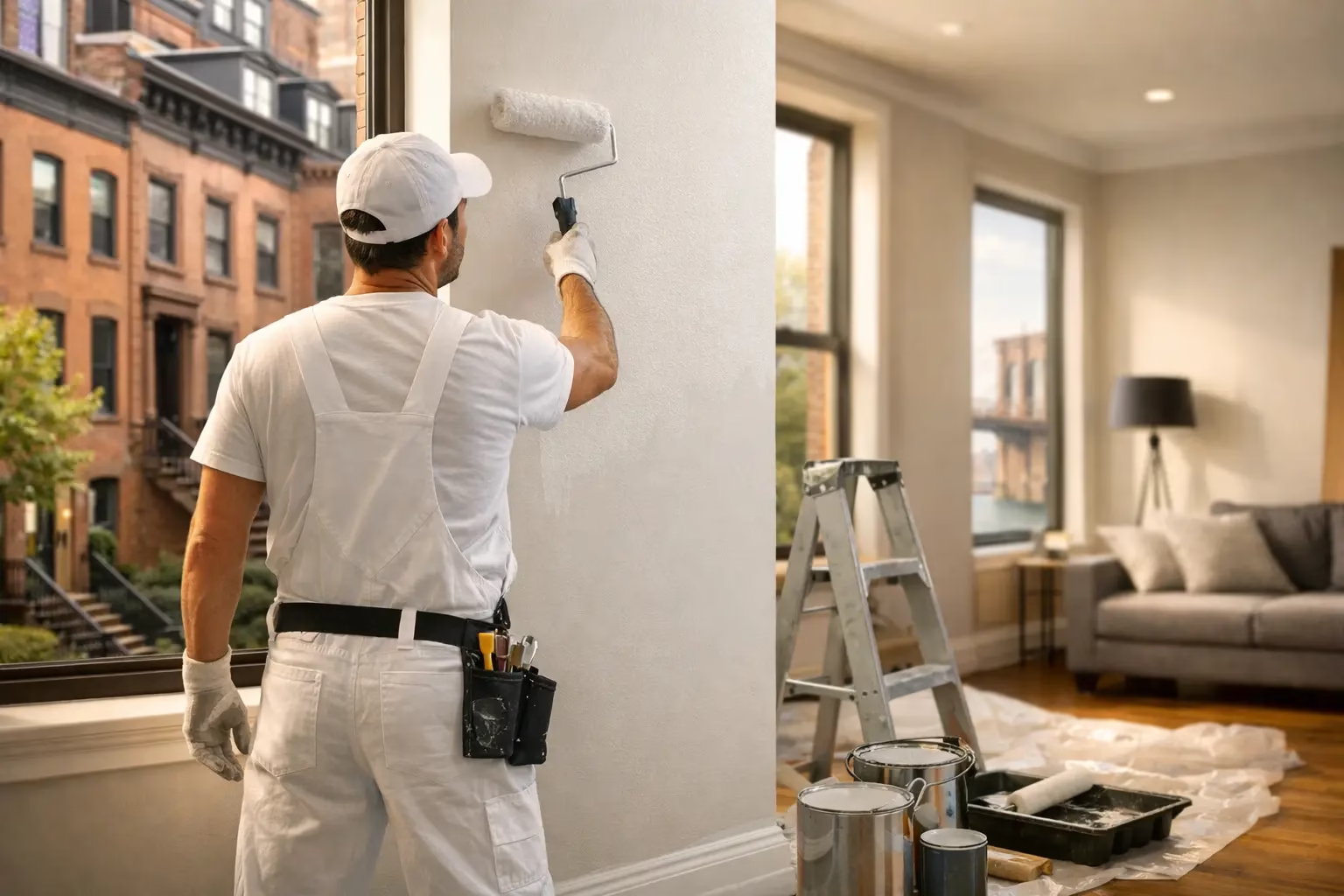
A fresh coat of paint can make a Brooklyn Heights apartment, brownstone hallway, storefront, or rental unit look completely renewed. But top-rated painting services in Brooklyn Heights should offer more than a clean color change. The work needs to stand up to daily use, New York humidity, older plaster walls, tight building access, and the expectations of owners who do not want to repaint again next year.
For a good result, hire a painting contractor based on preparation, product knowledge, jobsite control, and clear pricing – not only on the lowest estimate or the fastest promised start date. Paint is the visible finish, but the quality is decided long before the first coat goes on.
What Top-Rated Painting Services in Brooklyn Heights Do Differently
Strong painting work begins with an inspection of the surfaces. In Brooklyn Heights, many properties have conditions that need attention before painting: hairline cracks in plaster, water stains near windows, peeling trim, old patchwork, nail pops, and uneven walls from previous repairs. Covering those issues with a new color may look acceptable for a short time, but it does not solve the reason the finish failed.
A professional crew identifies what requires scraping, sanding, patching, skim coating, caulking, priming, or moisture repair. This is especially relevant in prewar apartments and brownstones, where walls may have several layers of old paint and years of repairs beneath them. The best approach depends on the condition of each room. A recently renovated drywall wall may only need minor patching and two finish coats, while a neglected ceiling with stain damage requires proper sealing before it is painted.
Protection also matters. A dependable contractor covers flooring, furniture, counters, fixtures, and work areas before preparation begins. In occupied homes and commercial spaces, clean containment and daily cleanup are part of doing the job right. A paint crew should not leave dust on hardwood floors, splatter on hardware, or loose debris in common areas.
Look Beyond Star Ratings and Before-and-After Photos
Online reviews and project photos can help narrow down your options, but they do not tell the full story. A contractor may have attractive photos of finished rooms without showing the wall repairs, masking, primer selection, or cleanup that made those results possible.
Ask how the company handles damaged surfaces and what is included in the written scope. A useful estimate separates preparation from finish painting so you can see whether crack repair, sanding, spot priming, trim work, ceilings, closets, and doors are included. If a price is much lower than competing bids, find out whether these steps have been excluded rather than assuming you received the same work for less.
Licensing and insurance should be confirmed before work starts. For larger jobs, landlords, co-op boards, and commercial property managers may also need certificates of insurance, building access paperwork, work-hour coordination, and clear site rules. An experienced NYC contractor understands that painting is not just a color decision. It is a job that must be planned around the building and its occupants.
Historic Homes Need Careful Surface Preparation
Brooklyn Heights is known for historic architecture, detailed woodwork, decorative moldings, and brownstone buildings. These features create real painting challenges. Old trim can have paint buildup that hides profile details. Corners may be chipped. Window frames may show moisture damage. Ornamental plaster can crack when a building shifts or when repairs were done poorly in the past.
The right crew does not treat detailed interiors like blank drywall. They take time to prepare profiles, fill small defects cleanly, sand without damaging adjacent surfaces, and use careful brushwork where a roller cannot produce a sharp result. On exterior-facing elements, the painter also needs to recognize when paint failure may be connected to an underlying issue such as water intrusion, deteriorated caulk, masonry damage, or roofing problems.
That distinction can save money. Repainting over an active leak creates a temporary cosmetic improvement, not a lasting repair. When painting and building repairs are coordinated under one contractor, the property owner can address the source of the problem before investing in the finish coat.
Define the Scope Before Choosing Colors
Color consultations are useful, but scope comes first. Decide which surfaces are being painted and what level of finish you expect. Walls, ceilings, baseboards, crown molding, doors, cabinets, radiators, closets, stair railings, and window trim all require different preparation and paint products.
For example, a flat ceiling paint can help reduce glare and hide minor texture variation, while satin or semi-gloss finishes are often better for trim and doors because they are easier to clean. High-traffic hallways, rental turnovers, and commercial interiors may benefit from durable, washable coatings. A matte finish can look refined in a living room, but it may not be the best choice for a busy entry where scuffs are common.
The estimate should also state the number of coats. In many cases, two finish coats are the standard for even coverage and color consistency. However, deep colors, major color changes, and repaired surfaces may require a primer or additional coverage. A contractor who explains this upfront is helping you budget accurately instead of presenting change orders after the work is underway.
What Affects Painting Costs in Brooklyn Heights?
Painting costs are driven by labor, preparation needs, access, materials, and project complexity. Square footage is part of the calculation, but it is not the whole calculation. A large open room in good condition may take less labor than a smaller room with damaged plaster, high ceilings, ornate trim, and heavy furniture that must be moved and protected.
The lowest bid is not always the affordable bid. If it leaves out wall repair, primer, surface protection, paint materials, or final touch-ups, the project can become more expensive once work begins. A transparent quote should explain the labor and materials included, identify any visible repairs, and clarify what would be considered extra work if hidden conditions are found.
Owners should also consider the cost of disruption. For a rental unit between tenants, a fast and organized paint job can reduce vacancy time. For a business, scheduled evening or off-hour work may be worth the additional planning required. For an occupied home, dust control, communication, and respectful daily cleanup have real value.
Painting for Apartments, Rentals, and Commercial Spaces
The right painting plan changes with the property. Homeowners may prioritize a polished finish and carefully selected colors. Landlords often need durable, neutral finishes that photograph well and hold up between turnovers. Small commercial operators need clean work zones, coordinated scheduling, and minimal interruption to customers or staff.
For multi-room projects, ask whether the contractor can handle related interior repairs at the same time. Addressing damaged drywall, worn baseboards, water-stained ceilings, or deteriorated window trim before painting often produces a more complete result than hiring separate crews in stages. Best Budget Construction provides this type of coordinated renovation and painting work for Brooklyn property owners who want one accountable team from repair through final finish.
Questions to Ask Before You Sign a Painting Contract
A straightforward conversation can reveal whether a contractor is prepared for your job. Ask these questions before approving the estimate:
- What surface preparation is included for walls, ceilings, trim, and damaged areas?
- Are paint, primer, protection materials, and cleanup included in the quoted price?
- How many coats will be applied, and what happens if the new color needs additional coverage?
- Who will supervise the work, and how will the crew protect occupied rooms and common areas?
- Is the company licensed and insured, and can it meet building or property-management requirements?
You should also ask for a realistic schedule. Good painters do not rush drying time, skip sanding, or apply finish coats over unprepared repairs just to leave quickly. On-time completion matters, but quality preparation is what makes that completion worthwhile.
Choose a Contractor Who Sees the Whole Property
Painting is often the final step after repairs, remodeling, or restoration work. That is why it helps to work with a contractor who can recognize related issues instead of treating every stain, crack, or peeling section as a paint-only problem. A wall may need patching. A ceiling stain may need waterproofing work first. Exterior trim deterioration may point to a larger moisture concern.
For Brooklyn Heights owners, the practical choice is a painter who provides a detailed estimate, protects the property, uses appropriate materials, and has the construction experience to address conditions behind the paint. Start with a site visit and a clear scope of work. A well-prepared surface and a properly applied finish will keep your property looking cared for long after the crew has cleaned up.
