

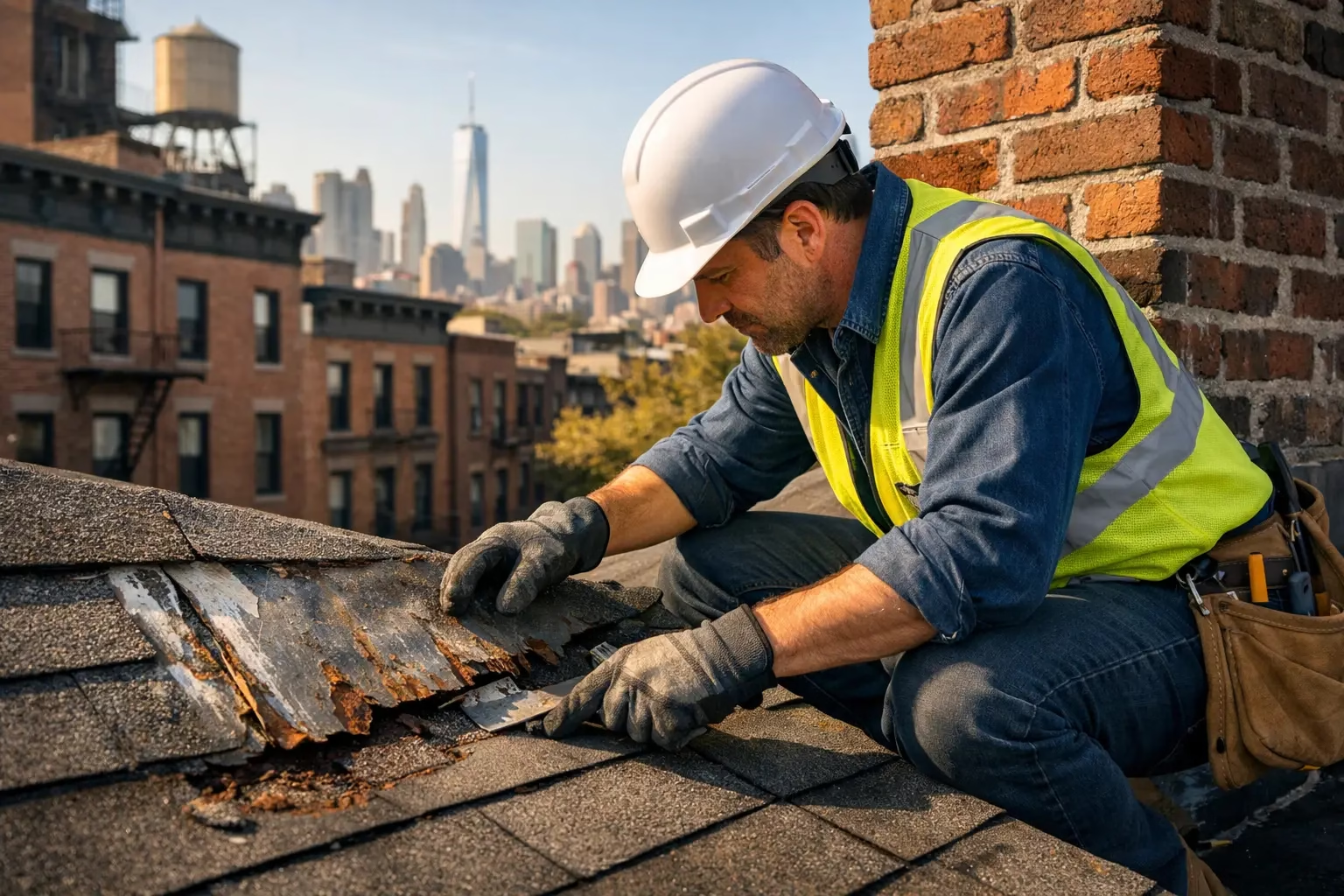
A roof can look fine from the sidewalk while water is finding its way through a failed joint around a chimney, parapet, vent, or wall connection. Property owners often ask, “when should roof flashing be replaced?” The answer is not based on age alone. Flashing should be replaced when it can no longer create a dependable, watertight transition between roofing materials and the parts of the building that interrupt the roof surface.
For Brooklyn brownstones, multifamily properties, and commercial buildings, this detail matters more than many owners realize. A few loose pieces of metal or failed seams can send water behind masonry, into a top-floor ceiling, or down a party wall. Addressing the problem early is usually far more affordable than repairing rot, damaged plaster, insulation, framing, or interior finishes after a leak has spread.
When Should Roof Flashing Be Replaced Instead of Repaired?
Minor flashing issues can sometimes be repaired. A roofer may be able to reseal an isolated joint, secure a lifted edge, or replace a small damaged section if the surrounding flashing is sound. Replacement is the better call when corrosion, cracks, poor installation, or repeated leaks show that the system is no longer reliable.
Flashing works by directing water away from vulnerable openings. It is commonly installed around chimneys, skylights, plumbing vents, roof valleys, dormers, parapet walls, and where a roof meets a vertical masonry wall. On a low-slope NYC roof, base flashing and counterflashing at parapets are especially important because water can sit longer after heavy rain or snowmelt.
A patch can stop a small, isolated problem. It cannot correct metal that has thinned from rust, flashing that was installed in the wrong sequence, or a roof-to-wall connection that has separated across a long run. If the roof covering is also near the end of its service life, replacing flashing during a roofing project is usually the practical choice. It avoids disturbing new roofing later to reach old metal underneath.
Warning Signs Your Roof Flashing Is Failing
Water stains on an upper-floor ceiling are a serious signal, but they are not the first sign of trouble. By the time a stain appears indoors, water may have already traveled along decking, masonry, framing, or insulation. Exterior inspection often reveals the problem sooner.
Look for visible rust, pinholes, cracked or missing sealant, bent metal, gaps at joints, or flashing that has pulled away from a wall or chimney. Galvanized steel can corrode over time, particularly where standing water, salt exposure, or incompatible materials are involved. Copper and aluminum have different aging patterns, but neither is immune to poor fastening, storm damage, or failed sealant.
The following conditions usually warrant a professional roof inspection and may call for replacement:
- Flashing has rusted through, developed holes, or has sharp, deteriorated edges.
- Seams have opened repeatedly after being sealed or patched.
- The metal is loose, bent, lifted, or missing after wind, ice, or falling debris.
- Water appears near a chimney, skylight, parapet, exterior wall, or roof penetration.
- Roofing material around the flashing is cracked, blistered, loose, or pulling back.
- Brick mortar, stucco, or coping near the roofline is deteriorating and allowing water behind the flashing.
In historic Brooklyn neighborhoods such as Park Slope, Brooklyn Heights, Cobble Hill, and Bed-Stuy, roof flashing and masonry conditions often affect one another. A damaged counterflashing embedded in mortar joints may allow water behind a brick parapet. Replacing only the roofing membrane without correcting the wall connection can leave the same leak path in place.
Leaks That Return After a Roof Repair
A recurring leak is one of the clearest reasons to evaluate flashing. It does not always mean the entire roof has failed. Water can enter at a small opening near a vent or parapet, then show up several feet away inside the building. This makes guesswork expensive.
Repeated caulking is especially risky when it becomes the only solution. Sealant has a role in a properly built flashing system, but it should not be expected to hold together corroded metal, bridge wide gaps, or compensate for incorrect roof details. A licensed contractor should identify the source, examine the surrounding roof assembly, and explain whether a targeted repair or full replacement offers better value.
Interior Damage and Moldy Odors
Peeling paint, bubbling plaster, damp drywall, and a musty odor near the top floor can all point to moisture intrusion. These symptoms may also come from plumbing or condensation, so a proper inspection matters. Still, if the issue worsens after rain or appears around a chimney, exterior wall, or skylight, roof flashing should be high on the list of possible causes.
Do not wait for a ceiling to sag or plaster to fall. Water damage can compromise wood framing and create conditions for mold growth, affecting both the repair scope and the cost.
Age Matters, But Condition Matters More
Flashing often lasts a long time when it is correctly installed and maintained, but its life is tied to the roof system, metal type, weather exposure, and building movement. It may last decades in favorable conditions, while a poorly detailed installation can fail much sooner.
Rather than replacing it on a fixed calendar, inspect flashing whenever you have roof work performed, after a significant storm, and when the roofing material is being replaced. If a roof is being torn off or a membrane is being renewed, this is the time to replace worn, incompatible, or questionable flashing. The labor to access it is already part of the project.
There is a trade-off. Replacing all flashing that still has plenty of service life can add unnecessary cost. Leaving visibly deteriorated flashing in place to save money can create a leak that damages a much larger area. A clear assessment should separate items that need immediate replacement from items that can be maintained and monitored.
What Proper Flashing Replacement Should Include
Good flashing work is not just about installing new metal. The existing roofing, substrate, masonry joints, and drainage path must be evaluated together. On masonry buildings, crews may need to remove failed counterflashing from mortar joints, repair damaged brick pointing, and install new material so water is shed onto the roof surface rather than behind the wall.
At chimneys and roof penetrations, flashing should be layered with the roofing system in the correct order. At parapets, the connection needs to account for movement, water flow, and the condition of coping and wall surfaces. If underlying wood sheathing or decking is soft from prior leaks, it should be repaired before new roofing materials conceal the damage.
Material selection also matters. The right choice depends on the roof type, the building’s existing materials, local exposure, and budget. A contractor should avoid combining metals that can react with one another and should use compatible fasteners, sealants, membranes, and coatings. The lowest initial price is not always the lowest-cost repair if the detail fails after one winter.
How NYC Building Conditions Affect Roof Flashing
New York City roofs handle freeze-thaw cycles, wind-driven rain, snow, summer heat, and close proximity to neighboring buildings. Brownstone and brick properties also move and age differently than newer construction. Mortar joints wear down, parapet walls take direct weather exposure, and drainage can be affected by leaves, debris, or roof modifications completed over many years.
That is why roof flashing should be inspected as part of broader exterior maintenance. If you are scheduling brick pointing, cornice restoration, facade work, waterproofing, or a roof repair, it makes sense to look at the roof-to-wall transitions at the same time. Coordinating the work can prevent one trade from covering up a condition another trade needs to address.
Best Budget Construction approaches these projects with the full building envelope in mind. As a licensed and insured NYC contractor, our team can assess roof flashing alongside roofing, masonry, parapets, waterproofing, and interior damage, then provide a clear scope and estimate before work begins.
Do Not Rely on a Visual Check From the Ground
Some failures are obvious, but many are hidden beneath roofing material or behind counterflashing. Walking on a roof without proper training can also damage the surface or create a safety risk. A professional inspection should check the condition of the metal, fasteners, seams, roofing membrane, drainage points, wall connections, and signs of moisture below the roofline.
If you have noticed a leak, take note of when it happens. Does it appear after wind-driven rain, only during heavy storms, or after snow begins to melt? Those details can help narrow down the source, but they should not replace an on-site evaluation.
A sound flashing system is a small part of the roof, but it protects some of the building’s most vulnerable joints. Acting when the first warning signs appear gives you more repair options, better cost control, and a better chance of keeping a small exterior issue from becoming an interior renovation project.
