

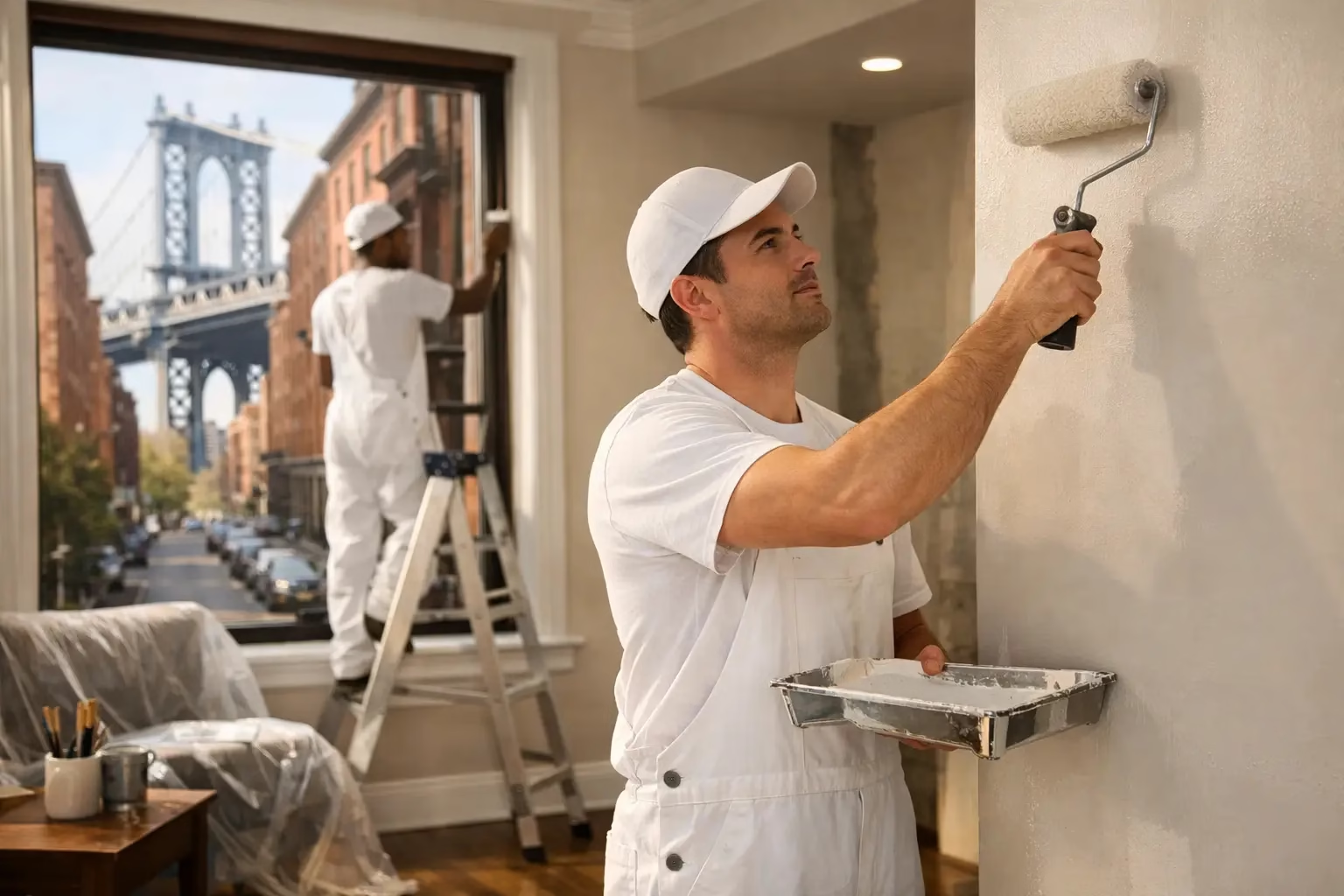
A fresh coat of paint can make a Brooklyn brownstone apartment feel newly cared for, but poor prep can make the same room look worse within a year. Peeling around window trim, roller marks on a high-traffic hallway, paint on hardware, and uneven patches over old repairs are not small details. When searching for interior house painters near New York, NY, property owners need more than someone who can put color on a wall. They need a crew that understands how NYC homes are built, used, and maintained.
For apartments, townhomes, rental units, offices, and commercial spaces, interior painting is a finish trade. The final result depends on the work done before the first coat goes on. That is especially true in older properties throughout Brooklyn and Manhattan, where plaster cracks, water stains, old layers of paint, and uneven walls are common.
What Professional Interior Painting Should Include
A dependable painting job begins with a walk-through and a clear scope of work. The painter should identify damaged drywall or plaster, nail pops, cracks, stains, peeling areas, gaps around trim, and surfaces that need extra preparation. If a wall has moisture damage, painting over it without addressing the cause is only a temporary cover-up.
Proper preparation commonly includes protecting floors and furniture, scraping loose paint, sanding rough areas, filling small holes, caulking trim gaps, repairing minor wall damage, and applying primer where needed. Primer is not always required across every surface, but it matters on patched walls, stained areas, bare drywall, major color changes, and surfaces with inconsistent sheen.
After prep, the team should apply the correct number of coats for solid coverage and a consistent finish. Clean cut lines at ceilings, baseboards, door frames, and windows are a sign that the work was done with care. Just as important, the job should end with cleanup, touch-ups, and a final review of the completed rooms.
Interior House Painters Near New York, NY: What to Ask
Price matters, especially for landlords managing turnovers or homeowners planning a larger renovation. Still, the lowest estimate is not always the most affordable job. A vague price can leave room for skipped prep, thin coats, rushed work, or extra charges once the project is underway.
Ask whether the estimate identifies the rooms or surfaces being painted, the expected prep work, the number of coats, trim and ceiling work, repairs included, and who supplies the paint and materials. It should also state whether furniture moving, floor protection, cleanup, and debris removal are included.
For occupied homes, timing and daily work habits matter too. Ask how the crew will protect belongings, manage dust from sanding, ventilate the space, and keep access clear. In co-ops, condos, and multi-family buildings, painters may also need to follow building hours, elevator rules, insurance requirements, and work-area protections.
A licensed and insured contractor provides an additional layer of confidence, particularly when painting is part of a broader remodeling or repair project. If the work involves damaged walls, water intrusion, plaster restoration, or carpentry repairs, one contractor that can address both the cause and the finish can prevent finger-pointing between trades.
Choosing the Right Paint Finish for Each Room
Color gets most of the attention, but sheen has a major effect on appearance and maintenance. The right finish depends on the room, the condition of the walls, light exposure, and how often the area is cleaned.
Flat and matte finishes can soften the look of older walls and help hide minor surface variation. They are often a practical choice for ceilings and lower-traffic bedrooms. The trade-off is that they can be less forgiving when scuffed or frequently washed.
Eggshell and satin offer more durability and are popular for living rooms, hallways, kitchens, and family spaces. They reflect more light than flat paint, which can make a room feel brighter, but that reflection can also reveal poor patching or uneven wall texture. Semi-gloss is commonly used on trim, doors, and cabinets because it is durable and easier to clean. It also shows brush marks and imperfections more readily, so preparation is critical.
For rental properties, a consistent, washable finish can simplify future maintenance. For a historic home or brownstone, the best option may depend on the existing plaster walls, original trim, and the amount of natural light in each room. There is no single finish that works perfectly everywhere.
Common NYC Interior Painting Problems
New York properties often bring conditions that are easy to miss during a quick estimate. Older plaster walls may have hairline cracking caused by normal movement, while larger or recurring cracks can point to a repair issue that should be evaluated before painting. Water stains near ceilings, windows, or exterior walls should be investigated for an active leak or condensation problem.
In prewar buildings, several generations of paint can create rough edges around moldings, radiators, and window frames. A good painter can improve these surfaces, but expectations should be realistic if the client does not want extensive stripping, plaster work, or trim replacement. Painting can refresh worn features; it cannot always restore severely damaged materials without related repair work.
Lead-safe work practices also deserve attention in older homes where disturbing existing painted surfaces may create hazards. The project scope, building age, and amount of sanding or demolition all affect the right approach. A qualified contractor should discuss the work area and preparation needs before starting.
Painting During Renovation vs. Painting Alone
Painting works well as a stand-alone update when walls and trim are in good condition. It is also one of the smartest finishing steps after kitchen renovation, bathroom renovation, basement remodeling, drywall repair, or interior carpentry work. Doing painting after repair work is complete prevents fresh walls from being damaged by later construction.
The trade-off is scheduling. If a property needs electrical changes, plumbing access, waterproofing repairs, or wall reconstruction, paint should not be used to rush the appearance of completion. Resolve the underlying work first, then finish the rooms properly.
This is where a full-service contractor can save time. Best Budget Construction handles interior repairs and painting alongside renovation work, helping clients avoid coordinating separate crews for wall repair, finish carpentry, and final paint. That approach is particularly useful for owners preparing a unit for move-in, sale, or lease renewal.
How to Prepare Your Home for Painters
Before work begins, remove fragile décor, valuables, and small personal items from the rooms being painted. Clear what you can from shelves and wall surfaces, and let the contractor know about furniture that cannot be moved. Pets should be kept away from the work area, both for their safety and to protect fresh paint.
It also helps to make color and finish decisions before the scheduled start date. Sample colors on the actual walls when possible. Daylight, warm interior lighting, neighboring finishes, and room orientation can change the way a color reads. A gray that looks clean in a paint store may appear blue in a north-facing bedroom or overly dark in a narrow hallway.
For landlords and property managers, confirm building access, superintendent requirements, work hours, and tenant communication early. A painting crew can work efficiently only when the job site is ready and expectations are clear.
Get a Clear Interior Painting Estimate
The right interior painting contractor should be straightforward about scope, preparation, materials, schedule, and cost. A detailed estimate makes it easier to compare proposals fairly and avoids surprises after the walls are already covered.
Whether you are refreshing one room, turning over a rental unit, or completing a full renovation, choose painters who treat prep and protection as part of the job, not as optional extras. Request a free estimate, explain the condition of the space, and make sure the plan addresses the repairs behind the paint as well as the color you see on the surface.
