

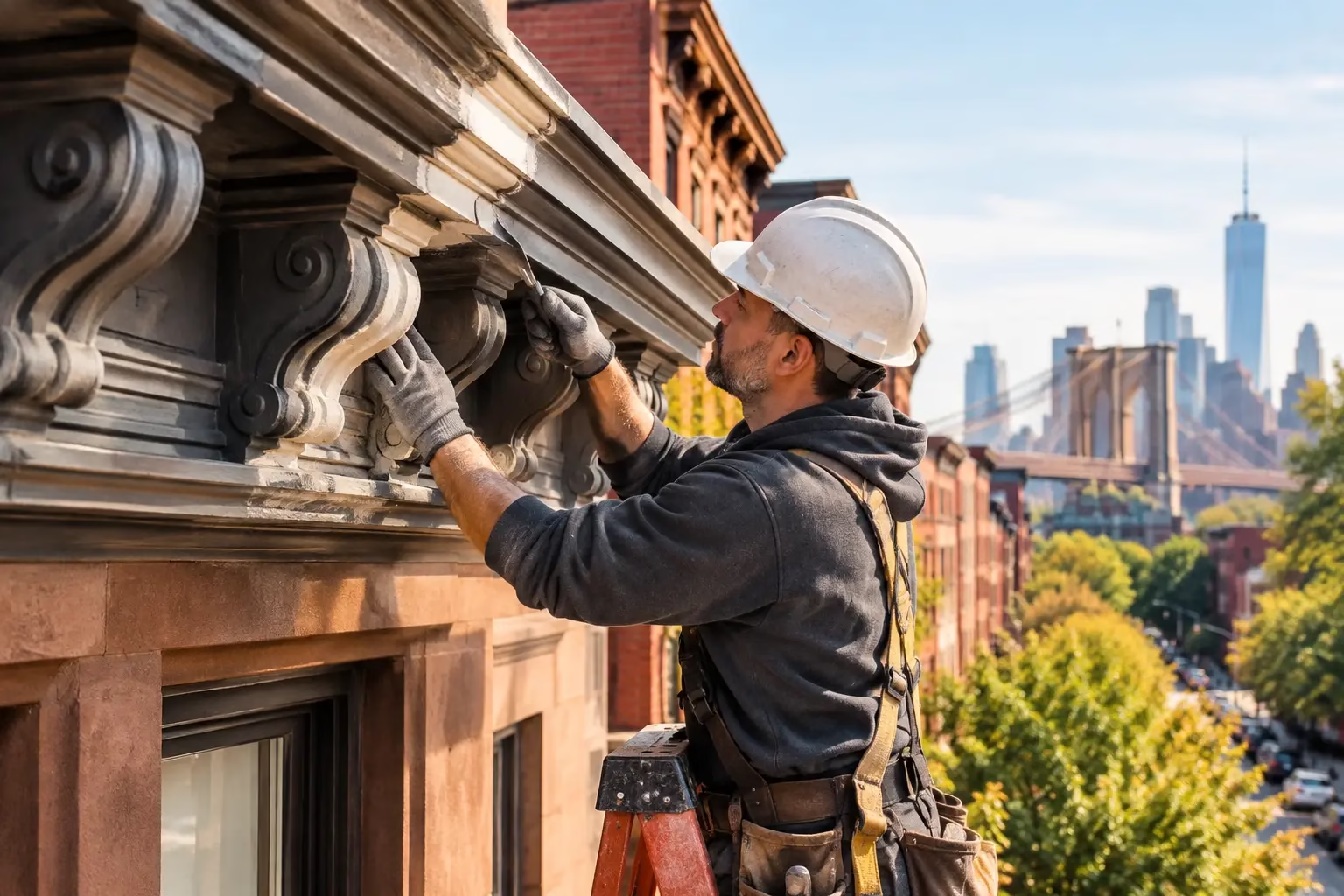
A cornice problem rarely starts with a dramatic collapse. On many Brooklyn brownstones and older NYC properties, it begins as a hairline crack, peeling paint at the roofline, a dark water stain, or a small piece of ornament that has loosened above the sidewalk. Residential cornice repair addresses those warning signs before water, freeze-thaw cycles, and neglected masonry turn a manageable exterior repair into a serious safety and restoration project.
For homeowners, landlords, and property managers, the goal is not simply to make the top of the building look better. A properly repaired cornice protects the facade below it, helps direct water away from vulnerable areas, preserves historic character, and reduces the chance of falling debris. In dense neighborhoods such as Park Slope, Brooklyn Heights, Cobble Hill, and Bed-Stuy, that work has to be planned carefully around pedestrians, adjacent buildings, access limitations, and the actual condition behind the visible surface.
When Residential Cornice Repair Cannot Wait
Cornices sit at one of the most exposed points of a building. They take direct rain, snow, wind, UV exposure, and seasonal expansion and contraction. On older homes, years of layered paint can hide deteriorated wood, rusted metal supports, failed flashing, open mortar joints, or cracks in cast stone and terracotta.
The biggest mistake owners make is treating every visible defect as a paint issue. Fresh paint over wet or unstable material may look acceptable for a season, but it does not stop the cause of the damage. Water will continue entering through failed joints, roof edges, coping, flashing, or cracks. Eventually, the repair has to be opened again, often at a greater cost.
Call for an evaluation if you notice loose sections, missing decorative pieces, cracked or bulging material, rust stains, recurring leaks near the top floor, deteriorated wood, or paint that repeatedly peels from the same location. If pieces are falling or appear likely to fall, the area should be secured immediately. Safety comes before appearance.
Best Budget Construction in Brooklyn & NYC
At Best Budget Construction, we approach cornice work as part of the full exterior system. The roofline, flashing, parapet, masonry, gutters, coping, and facade all affect whether a repair will last. Repairing one visible crack while ignoring a roof leak or open brick joint is not a practical solution for a property owner.
Our team works on aging residential buildings where access and preservation matter. A painted wood cornice may need selective replacement and priming. A sheet-metal cornice may need patching, soldering, reinforcing, and coating. A masonry, cast-stone, or terracotta detail may require careful removal of failed material, compatible repair mortar, shaping, and finishing to match the existing profile as closely as possible.
Every building is different. Some cornices can be stabilized and repaired in place. Others have concealed rot, corrosion, or structural movement that makes a larger rebuild the safer investment. We explain what we find, what is driving the damage, and where the budget makes the most sense before work begins.
Common Materials and Repair Approaches
Historic NYC residences may have wood, galvanized metal, copper, pressed metal, stone, brick, stucco, terracotta, or a combination of materials at the cornice line. The right repair method depends on the original material and the extent of damage.
Wood repairs can include removing rotted sections, replacing damaged boards or shaped trim, improving flashing, sealing joints, and applying proper exterior primer and paint. Metal repairs may involve treating corrosion, replacing compromised panels, reinforcing supports, sealing seams, and applying protective coatings. Masonry and decorative cement repairs require sound substrate preparation, compatible materials, and careful profile work so the repair does not look flat or out of place on a detailed facade.
A lower-price patch is not always the lower-cost choice. If the surrounding material is sound and the water source has been corrected, a targeted repair can be a smart option. If several layers have failed and supports are deteriorated, repeated patching can cost more than rebuilding the affected section correctly.
License & Insurance credentials for all services
Exterior work above sidewalks and neighboring properties requires a contractor who understands the responsibility involved. Residential cornice repair may require ladders, scaffolding, sidewalk protection, controlled debris removal, and coordination with building conditions that are not visible from the ground.
Best Budget Construction provides License & Insurance credentials for all services and treats jobsite protection as part of the work, not an add-on. Property owners should always ask who will perform the repair, how the work area will be protected, what access method is planned, and whether the contractor is insured for exterior construction work.
For landlords and property managers, documentation and clear communication also matter. A practical scope should identify the damaged area, likely source of deterioration, recommended repair method, access needs, estimated timeline, and any related work that should be addressed at the same time. Combining cornice repair with roof flashing, pointing, waterproofing, or facade repairs can reduce repeat setup costs and help protect the building as a whole.
100% OSHA guidelines compliant Work Practices
Cornice work is not a job for shortcuts. A loose decorative element over a city sidewalk can create immediate liability, and unsafe access creates risk for workers, residents, and passersby. Our crews follow 100% OSHA guidelines compliant work practices, with safety planning based on the building height, access conditions, overhead hazards, and scope of repair.
That may include controlled work zones, proper fall protection, secure ladder or scaffold setup, debris containment, and protection for doors, windows, landscaping, and sidewalk areas. The exact setup depends on the project. A small, accessible repair on a two-story home is not handled the same way as a deteriorated cornice on a multi-story brownstone with a narrow street frontage.
Good safety practices also support better craftsmanship. When the crew has proper access to the full damaged area, they can inspect connections, flashing, seams, and surrounding materials instead of making a rushed repair from an unstable position.
What a Residential Cornice Repair Estimate Should Cover
A useful estimate should be specific enough to help you make a decision. It should not promise a vague “repair as needed” without identifying the affected materials or likely scope. Before accepting a proposal, ask whether the contractor has inspected the roofline and surrounding facade for moisture entry and whether the estimate includes surface preparation, material replacement where needed, sealing, finishing, cleanup, and protection.
It is also reasonable to ask what conditions could change the scope. Hidden damage is common behind metal cladding, old paint, or loose masonry. A dependable contractor will explain that possibility upfront rather than waiting until the job is underway to introduce unclear costs.
For historic properties, appearance deserves a direct conversation. Full duplication of highly ornate original work can require more labor than a simplified repair. There is no single right answer. Some owners prioritize preserving every detail; others need a durable, clean solution that fits a maintenance budget. The best choice depends on the building, the condition of the original work, and long-term plans for the property.
Free Estimate Call (917) 674-9488
If your cornice is cracking, peeling, leaking, rusting, or dropping material, do not wait for another winter to expose the problem. A site visit can determine whether the issue is limited to finish damage or connected to failing flashing, roofing, masonry, or underlying supports.
Best Budget Construction provides straightforward evaluations for residential owners and managers who need dependable exterior repair in Brooklyn and across NYC. Call (917) 674-9488 for a free estimate and get a clear plan for protecting your building, your sidewalk, and the character of your property before minor deterioration becomes a major repair.
