

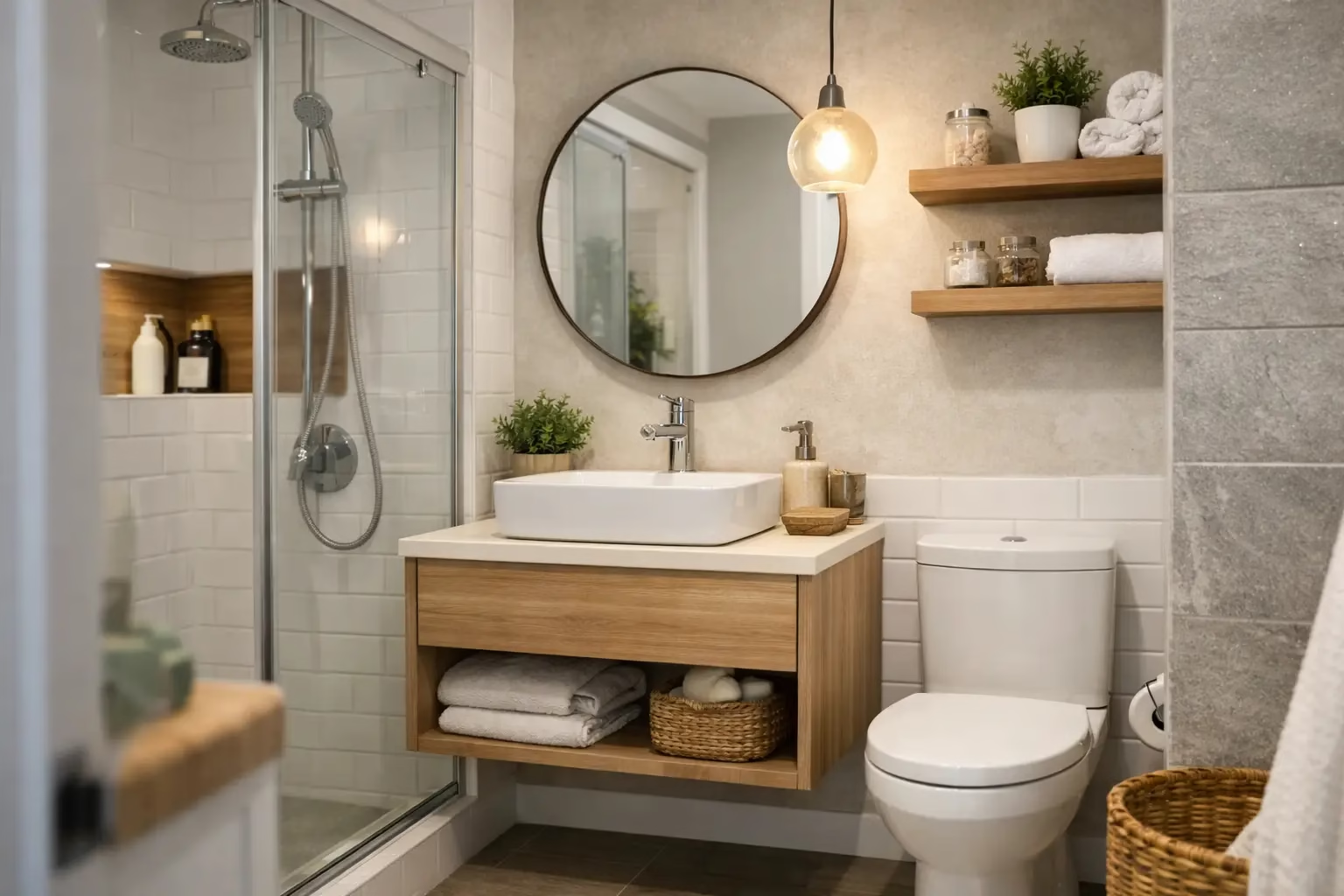
A small bathroom tells on the whole apartment. If the tile is cracked, the vanity is swollen, and the layout wastes space, the room feels tighter than it already is. The good news is that the best small bathroom remodel ideas are not about forcing luxury into a tiny footprint. They are about making every inch work harder, look cleaner, and hold up in a real New York City building.
In Brooklyn brownstones, older co-ops, and compact multifamily units, bathroom remodeling has to do more than look good in photos. It needs to deal with narrow layouts, aging plumbing, uneven walls, moisture, and strict budgets. That is why smart planning matters more than square footage.
Small bathroom remodel ideas that start with layout
The first place to save space is the floor plan. In many older NYC bathrooms, the room feels cramped not because it is too small, but because the fixtures are in the wrong places. A vanity that is too deep, a door that swings into everything, or a tub that takes over the room can make daily use frustrating.
One of the most effective upgrades is replacing a standard swinging door with a pocket door or an out-swing door where code and wall conditions allow. That simple change can free up usable floor area without moving plumbing. If the existing layout is workable, keeping the toilet and main drain line in place usually helps control cost. Moving plumbing is possible, but it should earn its price by creating a noticeably better room.
For many owners, the right answer is not a full layout change. It is a tighter vanity, a better shower configuration, and smarter clearances around the toilet and entry. In a small bathroom, inches matter.
Choose a shower that gives space back
Tubs are useful, but they are not always the best use of limited square footage. If the bathroom is not the only full bath in the home, replacing a tub with a walk-in shower can open the room significantly. A glass enclosure keeps sightlines open, which makes the space feel larger than a curtain or bulky framed unit.
That said, it depends on the property. For landlords and homeowners thinking about resale, removing the only tub in the unit is not always the best move. Families with children often want at least one bathtub. In those cases, a low-profile tub with updated wall tile and built-in storage may be the smarter investment.
A curbless or low-threshold shower can also help with accessibility and everyday convenience, especially in aging buildings where tenants or owners plan to stay long term. The subfloor and drainage have to be evaluated carefully, though. In older structures, not every bathroom can accept that detail without extra prep work.
Go wall-mounted where it counts
Wall-mounted fixtures are some of the strongest small bathroom remodel ideas because they reduce visual bulk. A floating vanity exposes more floor, which makes the room look less crowded. The same goes for a wall-hung toilet when the wall depth and plumbing setup support it.
These options are not always the cheapest upfront. Wall-mounted toilets in particular can involve more installation complexity than standard floor-mounted models. But in tight bathrooms, the space savings and easier floor cleaning can be worth it.
If the budget is tighter, you can get a similar effect by choosing a vanity with open leg space instead of a heavy furniture-style cabinet. The goal is not to chase trends. The goal is to reduce bulk.
Use tile to make the room feel bigger
The wrong tile can chop up a small bathroom and make it feel busier than it is. Large-format tile often works well because it reduces grout lines and creates a cleaner look. Light colors usually help, especially when natural light is limited, which is common in interior NYC bathrooms.
Running floor tile into the shower area can also make the room feel more continuous. Vertical tile patterns on shower walls draw the eye upward and help low ceilings feel less compressed. If you want contrast, use it with control. A dark floor or accent wall can look sharp, but too many competing finishes will shrink the room visually.
Durability matters just as much as appearance. In a high-use apartment or rental property, choose tile and grout that are easy to maintain and built for moisture. A good-looking bathroom that stains, cracks, or mildews early is not a bargain.
Build storage into the walls, not into the room
Storage is where many small bathrooms fail. Oversized vanities, floor cabinets, and metal racks eat up valuable space and still look cluttered. Recessed storage is usually the better answer.
A recessed medicine cabinet gives you function without adding depth over the sink. Shower niches keep bottles off the floor and ledges. If the wall conditions allow it, built-in shelving between studs can create useful storage near the toilet or vanity without making the room feel boxed in.
This is especially helpful in older homes where every inch counts. It also gives the finished bathroom a more custom look without necessarily driving the budget into luxury territory.
Lighting can fix half the problem
Poor lighting makes a small bathroom feel smaller, older, and less clean. A single overhead fixture is rarely enough. Layered lighting is one of the most practical upgrades you can make.
Start with solid general lighting, then add task lighting at the mirror. Vertical fixtures or balanced side lighting around the vanity usually work better than one harsh light from above. If ceiling height is low, choose fixtures that keep the profile clean and compact.
Mirrors matter too. A larger mirror reflects more light and can visually widen a narrow room. This is one of the simplest small bathroom remodel ideas, but it works when paired with the right lighting and a clean wall finish.
Pick materials that hold up in NYC conditions
A bathroom remodel in New York is not just a design project. It is a durability project. Older buildings can have humidity issues, patched framing, and less-than-perfect surfaces. Materials need to perform, not just photograph well.
Porcelain tile is usually a strong choice for floors and walls because it is durable and water-resistant. Solid-surface or quartz vanity tops hold up better than cheaper materials that swell or stain. Quality paint with the right prep work matters in bathrooms where ventilation is weak.
If the bathroom has recurring moisture issues, the remodel should address the source, not just the finish layer. That might mean upgrading the exhaust fan, correcting waterproofing behind tile, or replacing damaged substrate. Covering a problem is not remodeling. It is postponing a repair.
Don’t overspend on trends that date fast
In a small bathroom, the permanent elements should stay simple. Tile, plumbing layout, and core fixtures are the expensive parts to change later. That is where clean, timeless selections usually make the most sense.
If you want personality, bring it in through the mirror, hardware, light fixtures, or paint color. Those are easier to update down the road. Trend-heavy patterns and highly specific finishes can look sharp now but feel old fast, especially in rental units or resale situations.
A practical remodel should still have style. It just should not be built around short-term trends that cost long-term money.
Ventilation and waterproofing are not optional
This is the part many property owners do not see after the job is done, but it is one of the most important. A small bathroom with bad ventilation will trap moisture quickly. That leads to peeling paint, mold, grout damage, and callbacks.
A proper exhaust fan sized for the room, vented correctly, is essential. So is waterproofing behind tile in wet areas. In older Brooklyn homes and apartments, you also need to pay attention to what is happening below and behind the finished surfaces. If there is hidden water damage, soft subflooring, or old plumbing ready to fail, the remodel plan should account for it upfront.
That is one reason working with a licensed and insured contractor matters. A bathroom may look simple on the surface, but the real quality is in the prep, protection, and installation standards.
Budget smart by knowing where to spend
Not every bathroom needs a full gut renovation. Sometimes the best return comes from selective upgrades: a new vanity, new tile, improved lighting, better storage, and fresh paint. Other times, piecemeal work costs more in the long run because the plumbing, waterproofing, and finishes are all failing together.
Spend where failure is expensive. Waterproofing, plumbing corrections, tile installation, ventilation, and proper substrate prep should not be cut corners. Savings can often come from keeping the layout, choosing readily available fixtures, and avoiding custom fabrication where standard sizes will do the job.
For property managers and landlords, durable mid-range materials are often the sweet spot. For homeowners planning to stay, it can make sense to invest a little more in storage, lighting, and better daily function. The right budget is not the lowest number. It is the one that matches how the space will be used.
Work with the building, not against it
The best small bathroom remodel ideas respect the realities of the property. In NYC, that means old plumbing stacks, uneven framing, tight access, building rules, and neighbors on the other side of the wall. A good remodel plan balances design goals with construction reality.
That is where experience matters. A contractor who understands city buildings can spot the difference between a simple cosmetic update and a project that needs deeper repair work. Best Budget Construction approaches bathroom remodeling that way – practical planning, honest estimates, licensed and insured work, and solutions that make sense for the building as well as the budget.
If your bathroom feels cramped, outdated, or hard to maintain, the fix is usually not one dramatic feature. It is a series of smart choices that make the room easier to use every day, easier to clean, and better built for the long haul.
