

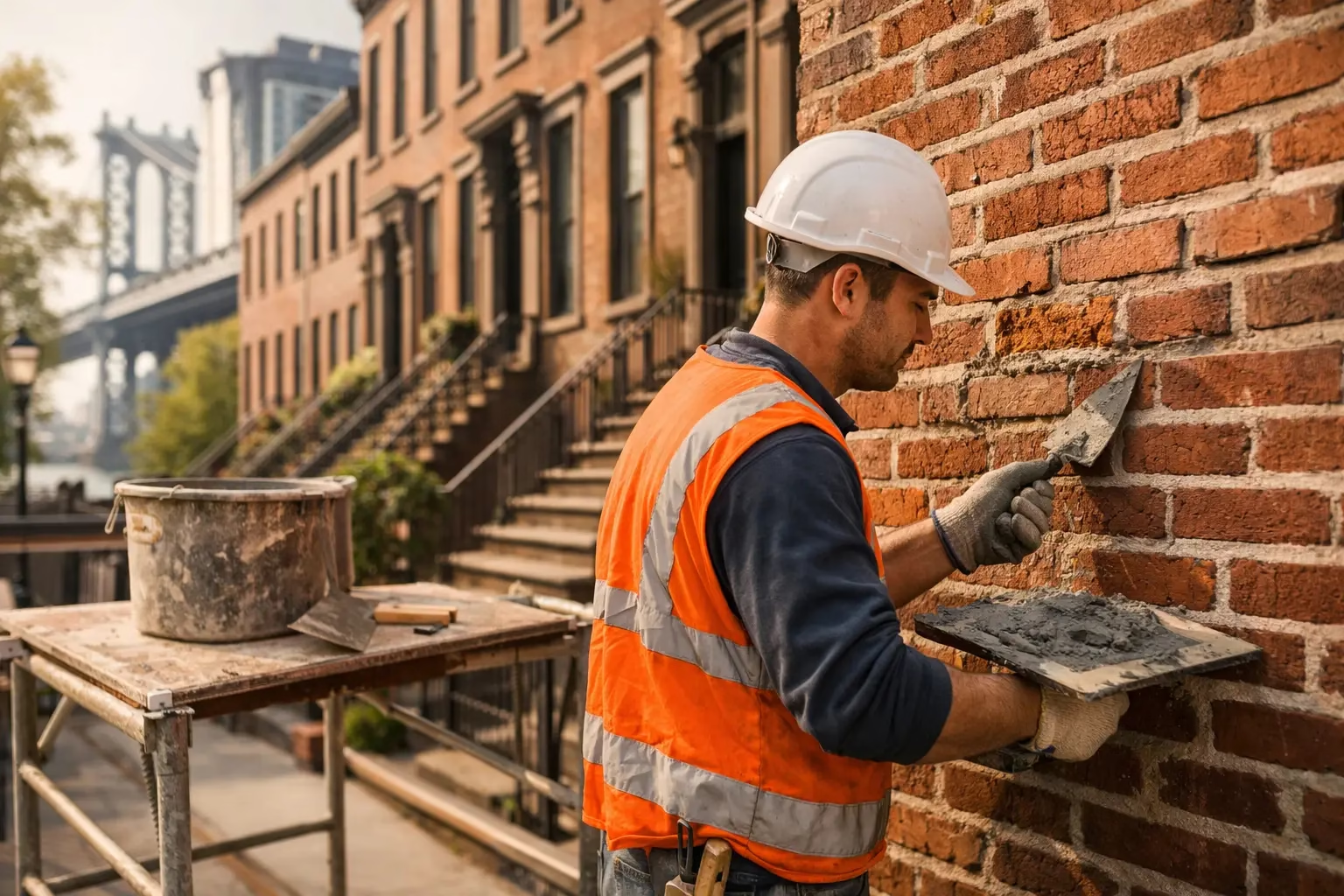
A small crack beside a brownstone window or a few missing mortar joints may not look urgent. After one New York winter, however, those openings can take in water, loosen brick, stain interior walls, and turn a limited repair into a larger facade project. This masonry maintenance guide NYC property owners can use focuses on the practical work that protects brick buildings, brownstones, stoops, parapets, and commercial facades before damage spreads.
New York masonry faces hard conditions: freeze-thaw cycles, wind-driven rain, roof drainage problems, street vibration, age, and years of poorly matched repairs. Good maintenance is not about making old brick look brand new. It is about keeping the wall stable, dry, safe, and appropriate for the building.
Start With a Close Visual Inspection
Walk the property at least twice a year, ideally in spring after winter weather and in fall before heavier rain and freezing temperatures. Look from the sidewalk, roofline, rear yard, and interior where possible. Take clear photos in the same locations each season. This creates a useful record and makes slow changes easier to spot.
Pay close attention to mortar joints, especially around window heads, sills, chimneys, parapets, cornices, and the top courses of a wall. Mortar should be firm enough to protect the brick without being harder than the brick itself. If joints are cracked, deeply recessed, sandy, or missing in sections, water has a direct path into the wall.
Also look for brick faces that are flaking, crumbling, or popping outward. This is often called spalling. It can happen when moisture gets behind the face of the brick and freezes, or when an earlier repair used mortar that was too hard for older masonry. Efflorescence, the white powdery residue on brick, is another warning sign. It does not always mean a major structural problem, but it tells you moisture is moving through the wall and deserves attention.
Inside, peeling paint, damp spots, musty odors, rusted lintels, or bubbling plaster near exterior walls may point to a masonry or waterproofing issue. The visible interior symptom is often only the final stage of a water entry problem.
The Masonry Maintenance Guide NYC Buildings Need
The most effective approach is to control water first, repair failing joints and units second, and keep inspecting. Brick walls are built to manage moisture, but they cannot perform well when roof runoff pours against them or open joints are left exposed.
Keep Water Away From the Facade
Before scheduling brick pointing, inspect the systems above and around the wall. A failed flashing detail, overflowing gutter, cracked coping stone, or leaking roof drain can keep saturating a facade no matter how many joints are repaired. On row houses and brownstones, rear walls are especially vulnerable where roofs, extensions, decks, and neighboring structures meet.
Make sure gutters and leaders are clear, properly secured, and discharging away from the foundation. Check roof drains after storms. Repair loose coping, cracked caps, and deteriorated sealant at penetrations before water reaches the masonry backup. If water is entering through a foundation wall or cellar, exterior drainage, waterproofing, and grading may be part of the solution.
Power washing can remove surface dirt, but it is not routine maintenance for every building. Excessive pressure can damage soft historic brick, erode mortar, and drive water deeper into the wall. Cleaning methods should match the age and condition of the facade. When in doubt, use a professional assessment rather than treating discoloration as a simple cleaning problem.
Repair Mortar With Proper Brick Pointing
Brick pointing means removing deteriorated mortar to the appropriate depth and installing new mortar that matches the wall in strength, color, texture, and joint profile. It is skilled work, particularly on prewar Brooklyn brownstones and historic brick buildings.
The wrong mortar can cause real damage. Modern high-strength cement mortar may be too rigid for old, softer brick. Instead of allowing the mortar joint to absorb movement and moisture, it can force the brick itself to crack or spall. Matching the original mortar is not just an appearance issue. It helps the wall perform as intended.
A proper pointing repair starts with careful removal of failed mortar without chipping brick edges. The joints are cleaned, dampened as needed, packed in lifts, finished to match the original profile, and cured correctly. Shortcuts such as smearing mortar over damaged joints may look acceptable for a few months, but they do not solve the underlying failure.
Replace Damaged Brick and Address Structural Movement
One or two damaged bricks may be replaceable without a major project. Large areas of spalling, a bulging wall, stair-step cracking, or brick that has shifted out of plane need more serious evaluation. These conditions can involve corrosion of steel lintels, failed anchors, water infiltration, settlement, or long-term movement.
Cracks should be watched for pattern and change. A hairline crack that remains stable may be cosmetic or related to normal building movement. A widening crack, a crack that follows mortar joints in a stair-step pattern, or cracking around doors and windows can be more concerning. Do not simply fill it with caulk and assume the problem is resolved.
If loose brick is overhead, pieces are falling, or a parapet appears unstable, keep people away from the area and arrange a professional inspection promptly. Public safety comes first, particularly along sidewalks, entryways, and rear yards used by tenants or customers.
Build a Seasonal Maintenance Routine
A dependable maintenance schedule helps property owners budget for repairs before emergencies dictate the price. The following checklist works well for many NYC homes and small commercial buildings:
- In spring, inspect for winter cracking, spalling, clogged leaders, loose coping, and signs of basement moisture.
- In summer, complete pointing, stucco, brick replacement, waterproofing, and facade repairs during suitable dry-weather conditions.
- In fall, clear roof drains and gutters, inspect flashing and parapets, and correct drainage before freezing weather arrives.
- After major storms, check for overflowing drains, new stains, loose material, water entry, and damage at roof-to-wall transitions.
The exact timing depends on the building. A recently restored facade may only need routine observation and cleaning of drainage components. A 100-year-old brownstone with open joints, aging cornice details, and a leaking roof needs a more active repair plan.
Do Not Ignore Cornices, Parapets, and Sidewalk Areas
Masonry maintenance extends beyond the main brick wall. Cornices, decorative brownstone trim, parapets, stoops, retaining walls, and sidewalk vault areas often deteriorate faster because they receive more direct water exposure. These locations can become safety concerns when cracking, rusting steel, or loose material is present.
Parapets deserve special attention because they are exposed above the roofline. Failed coping, open joints, and unstable brick at the top of a building can allow water into the wall and create a falling-material hazard. Cornice restoration may involve masonry repair, patching, coating, metal work, or replacement of severely deteriorated sections. The correct scope depends on what is behind the visible damage.
For sidewalk-adjacent areas, do not overlook cracked curbs, settlement, damaged steps, and failing concrete. Water can travel through these defects and affect foundations, stoops, and lower-level walls. In New York City, exterior repairs may also involve permits, landmark requirements, sidewalk rules, or facade safety obligations depending on the property and scope of work.
Know When a Professional Inspection Is Worth It
A contractor inspection is a practical investment when repairs are no longer limited to a few visible joints. Ask for a clear scope that identifies the cause of damage, not just the surface repair. A useful estimate should explain whether the work includes pointing, brick replacement, lintel repair, waterproofing, flashing, parapet work, or access equipment.
For buildings over six stories, New York City facade inspection requirements may apply under the Facade Inspection and Safety Program. Owners should not assume that a general maintenance visit replaces required engineering inspections or filings. Smaller buildings may not fall under that program, but they still need regular attention to prevent dangerous conditions.
Choose a licensed and insured contractor experienced with local masonry, brownstone restoration, waterproofing, and roof-to-facade details. OSHA-compliant site practices matter when work involves scaffolding, sidewalk protection, elevated parapets, or occupied buildings. The lowest price is not always the lowest cost if improper materials or incomplete water management lead to repeat repairs.
For owners in Park Slope, Brooklyn Heights, Cobble Hill, Bed-Stuy, and other masonry-heavy neighborhoods, Best Budget Construction can assess visible facade issues and provide a straightforward estimate for pointing, cement work, waterproofing, cornice restoration, and related repairs. Addressing a small problem while access and materials are manageable is usually the best way to protect both the building and the budget.
Your masonry does not need constant major work. It needs regular observation, working drainage, compatible repairs, and fast action when water or movement shows up. That steady approach keeps an aging NYC facade safer, cleaner, and far less expensive to own over time.
