

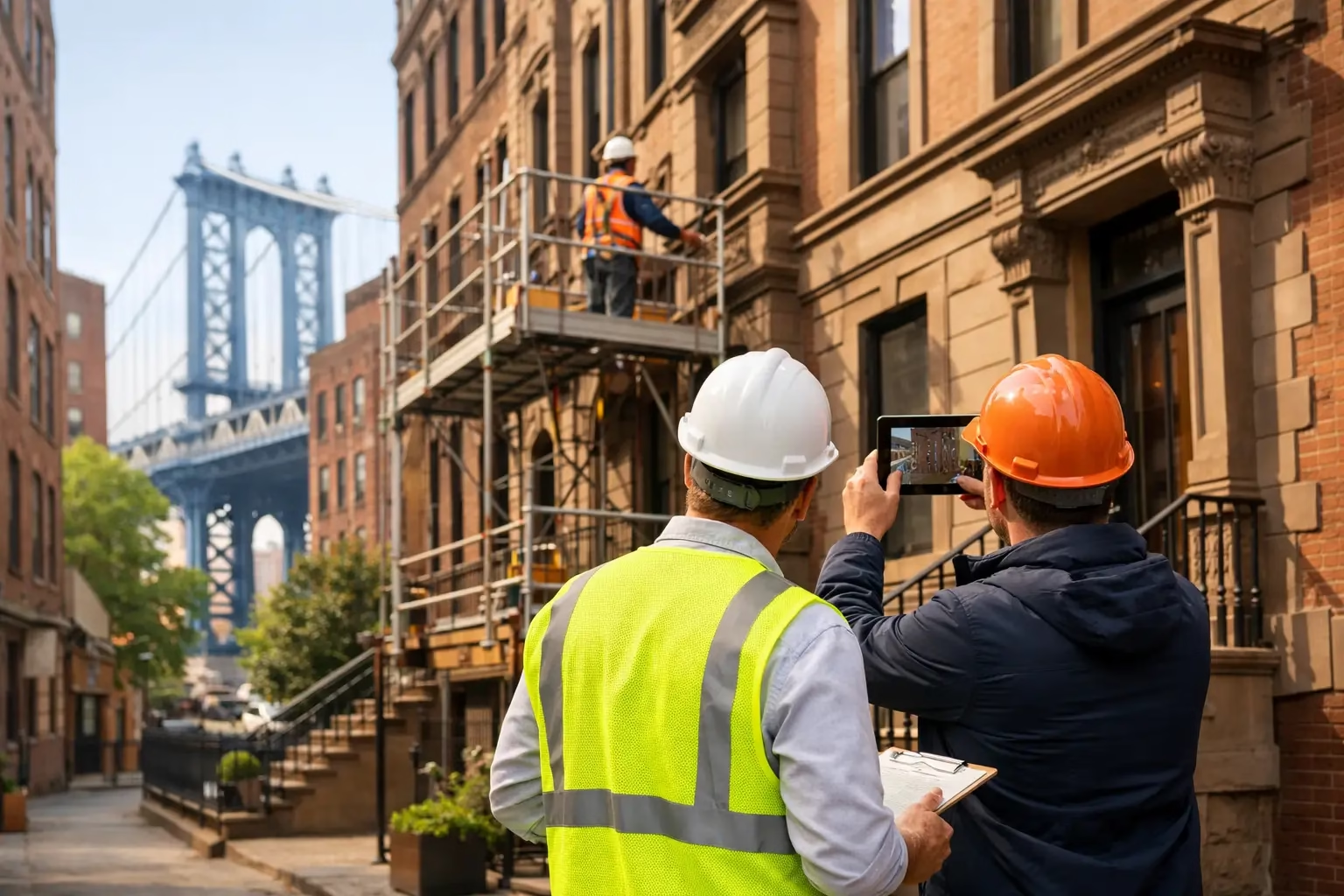
A loose brick above a Brooklyn sidewalk is not just a repair item. It can create an immediate safety hazard, trigger a Department of Buildings complaint, and turn a manageable maintenance project into an emergency expense. This facade compliance guide gives NYC property owners a practical way to understand what must be inspected, who is responsible, and how to plan repairs before conditions get worse.
For brownstone owners, landlords, co-op boards, and commercial property managers, the goal is simple: keep the exterior safe, protect the structure, and avoid costly violations or rushed work. Facade compliance is not only about passing an inspection. It is about maintaining the masonry, parapets, lintels, cornices, waterproofing, and other exterior components that protect your building every day.
What Facade Compliance Means in NYC
In New York City, facade compliance generally refers to meeting Department of Buildings requirements for the safe condition, inspection, repair, and maintenance of a building exterior. The rules that apply depend on the building’s height, construction, location, and existing conditions.
The best-known requirement is the Facade Inspection and Safety Program, commonly called FISP or Local Law 11. Buildings that are more than six stories must have exterior walls and appurtenances inspected on the required cycle by a Qualified Exterior Wall Inspector, known as a QEWI. The QEWI submits the inspection report to the DOB and classifies the facade condition based on its safety.
Many Brooklyn brownstones and smaller multifamily buildings are not subject to FISP because of their height. That does not mean owners can ignore deteriorated brick, cracked stucco, loose coping stones, damaged cornices, or failing window lintels. Owners remain responsible for maintaining a safe property. If a condition is dangerous, the DOB can issue violations or require immediate safeguards and repairs regardless of a building’s number of stories.
Know the Difference Between Inspection and Repair
A FISP inspection is not a repair estimate, and a contractor cannot replace the role of the QEWI. The inspector evaluates the condition of the exterior wall system and files the required report. The owner is responsible for responding to the findings, arranging protection where needed, and completing required corrective work.
A reputable facade contractor comes in once the scope is clear or when visible damage needs evaluation. The contractor can identify practical repair options, prepare a detailed estimate, coordinate needed access, and perform the masonry, brick pointing, stucco, cornice, waterproofing, or paint work required to correct the issue.
This distinction matters because owners sometimes wait until a filing deadline to begin looking for a contractor. By then, access equipment, permits, material lead times, and the condition itself can affect the schedule. A cracked parapet may look like a small patching job from the street, but proper work can require rebuilding sections, replacing coping, repairing flashing, and correcting the water entry that caused the damage.
Understand the FISP Status Categories
For buildings covered by FISP, the QEWI generally assigns one of three statuses. A Safe condition means no repair is currently required for compliance. Safe With a Repair and Maintenance Program, often called SWARMP, means the building is safe at the time of inspection but specified repairs must be completed and documented by the required deadline. An Unsafe condition means there is a hazard that requires prompt action.
An Unsafe filing deserves immediate attention. The owner may need to install a sidewalk shed, fence off the affected area, remove loose material, or take other protective measures while permanent repairs are designed and performed. Temporary protection is not a substitute for fixing the cause. Water intrusion behind a damaged cornice, for example, can continue to weaken supporting masonry even after the sidewalk is protected.
Do not assume that painting over cracks or applying surface caulk will satisfy a repair requirement. NYC facades often fail because water reaches the wall through open mortar joints, missing flashing, damaged coping, roof leaks, or improperly sealed penetrations. The repair needs to address the full condition, not just improve the appearance from the sidewalk.
A Practical Facade Compliance Guide for Planning Work
The most cost-effective approach is to treat facade work as planned building maintenance, not a last-minute reaction. Start with a walk-around of the property after winter and after major storms. Look carefully at parapets, chimney stacks, cornices, window heads, stone sills, brick joints, and any area where staining or efflorescence appears. White mineral deposits on brick often point to moisture moving through the wall.
When you see deterioration, take dated photos and document the location. Good records help a QEWI, engineer, or contractor understand whether a crack is new, spreading, or tied to a recurring leak. They also help property managers communicate clearly with boards, tenants, and owners.
A dependable planning process includes these four steps:
- Confirm whether your building is covered by FISP and verify its current filing obligations with the DOB and your QEWI.
- Get the exterior evaluated before damage becomes an emergency, especially where bricks are spalling, mortar is missing, or cornice material is loose.
- Request a written repair scope that identifies the cause of deterioration, the proposed materials, access requirements, permits, and expected schedule.
- Budget for restoration and prevention together, including roof flashing, waterproofing, masonry protection, and any necessary repainting after repairs.
The lowest initial quote is not always the lowest project cost. A price that covers only cosmetic patching may leave active leaks or failed joints behind the surface. On the other hand, not every facade needs a full rebuild. A qualified evaluation should separate localized repairs from larger restoration work so owners can spend where the building actually needs it.
Permits, Sidewalk Protection, and Landmark Considerations
NYC facade projects can involve more than a repair crew and a ladder. Depending on the scope, permits may be needed for masonry restoration, structural repairs, sidewalk sheds, scaffolding, or exterior protective work. Permit needs vary by project, so they should be reviewed before work starts rather than after workers arrive on site.
Access is a major part of both safety and cost. Small repairs may be completed from supported scaffolding, while extensive elevation work may require pipe scaffolding or a sidewalk shed. A shed affects pedestrian access, storefront visibility, deliveries, and sometimes neighboring properties. Planning it early helps reduce disruption and prevents a temporary protection measure from remaining longer than necessary.
Properties in historic districts, including many buildings in Brooklyn Heights, Park Slope, Cobble Hill, and other brownstone neighborhoods, may also need Landmarks Preservation Commission approval before exterior work begins. This is especially relevant when replacing visible brownstone, brick, windows, cornices, railings, doors, or decorative elements. The materials and details matter. A repair that is structurally sound but visually out of character can create avoidable delays or require revision.
For older brownstones, matching existing materials is often part of doing the job correctly. Modern hard mortar used on softer historic brick can cause damage over time. Proper brick pointing calls for compatible mortar, careful joint preparation, and workmanship that preserves the wall instead of forcing it to behave like new construction.
Common Conditions That Should Not Wait
Some facade problems can be monitored while you obtain estimates and plan a repair. Others need quick professional attention. Loose or bulging brick, cracked or leaning parapets, detached cornice pieces, falling stucco, damaged lintels, and open joints near rooflines should be treated seriously.
Water is usually the hidden multiplier. A roof leak can soak the top courses of brick. Freeze-thaw cycles can then push the face off the masonry, loosen mortar, and create a falling-material hazard. Repairing the wall without correcting the roof edge, flashing, gutter, or coping problem often means paying for the same work twice.
Tenants and staff should know how to report exterior concerns. If someone sees falling debris, a new crack, a shifting cornice, or bricks on the sidewalk, document it and arrange an assessment right away. Do not ask untrained maintenance staff to remove potentially unstable facade material from elevated areas.
Choose a Contractor Who Understands NYC Exterior Work
Facade restoration is specialized work, particularly on occupied properties and historic buildings. Ask whether the contractor is licensed and insured, uses OSHA-compliant safety practices, has experience with your facade material, and can explain the repair sequence in plain language. You should also understand what is included in the estimate: protection, scaffolding, demolition, masonry repairs, waterproofing, cleanup, permits, and final touch-up work.
Best Budget Construction helps NYC owners coordinate practical exterior repairs, from brick pointing and brownstone restoration to cornice work, waterproofing, stucco repair, and masonry restoration. A clear scope and honest assessment can prevent an exterior issue from growing into a larger structural and water-damage problem.
If your building shows early signs of facade deterioration, schedule an evaluation while you still have time to choose the right repair plan, control costs, and keep the sidewalk below your property safe.
