

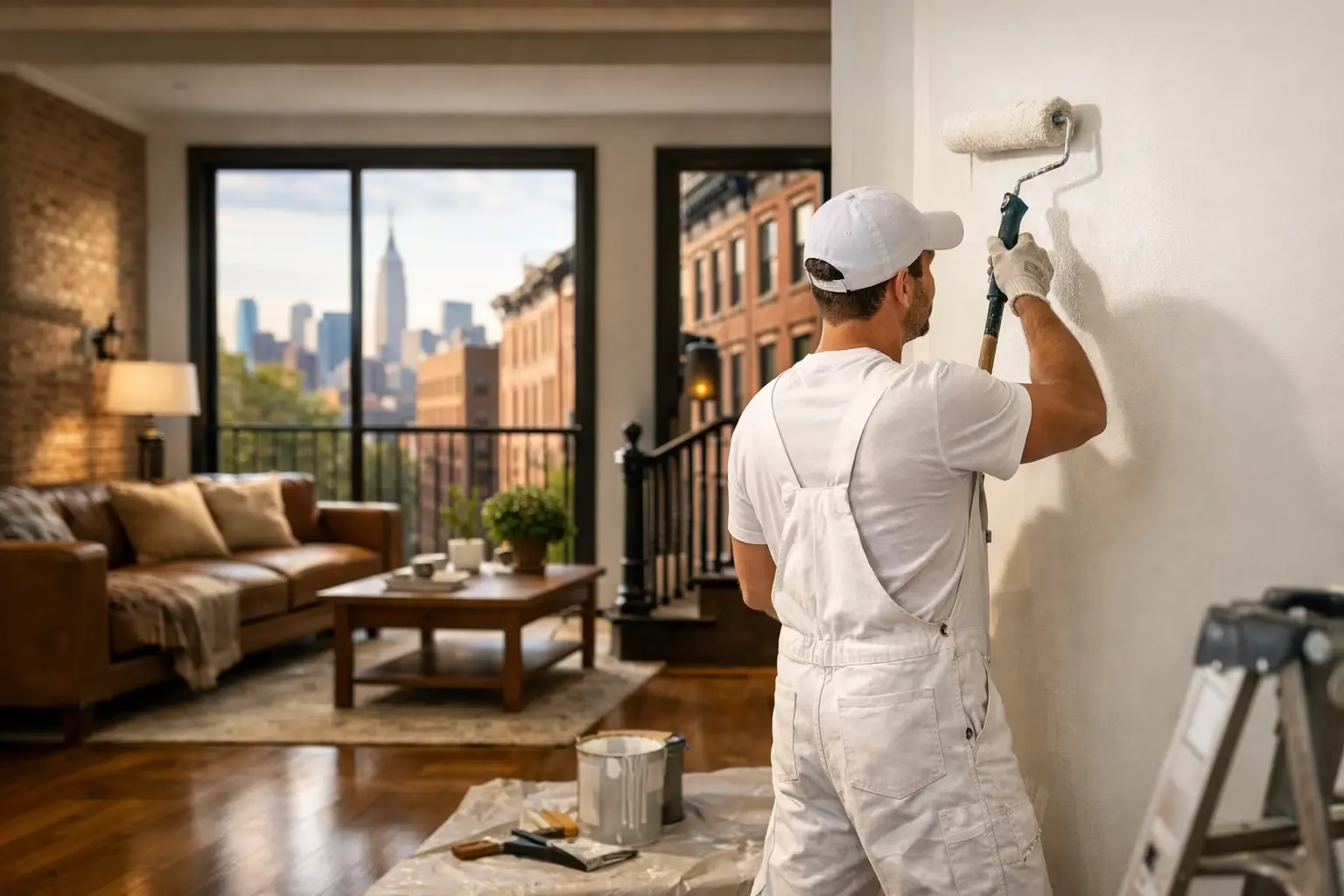
A buyer can overlook an older kitchen cabinet or a dated light fixture. It is much harder to overlook peeling trim, stained ceilings, cracked paint, or a dark apartment that feels uncared for. So, can painting increase home value? In many NYC properties, yes. A professional paint job can improve perceived value, support a stronger asking price, and help a home make a better first impression. But the result depends on the condition of the surfaces, the scope of the work, and whether painting is paired with the repairs a property actually needs.
For Brooklyn brownstones, co-ops, rental buildings, and small commercial spaces, paint is not just decoration. It is a visible sign of maintenance. Done correctly, it refreshes rooms, protects wood and metal, and helps buyers or tenants see a property as move-in ready rather than another project on their list.
Can Painting Increase Home Value? Yes, but Preparation Matters
Painting is one of the more cost-conscious improvements a property owner can make because it changes a large amount of visual space without moving walls, replacing plumbing, or taking on a full renovation. Fresh, consistent color makes rooms feel cleaner and brighter. It can make worn millwork look cared for and make an older layout feel more current.
That does not mean every coat of paint produces the same return. A rushed job with visible roller marks, poor cut lines, paint on hardware, or peeling areas can work against a sale. Buyers may read it as a cover-up for moisture damage, old repairs, or poor building maintenance. The quality of the prep work is what separates a real improvement from a quick cosmetic patch.
Before paint goes on, a professional should identify cracks, water stains, loose plaster, nail pops, damaged sheetrock, failing caulk, and surface contamination. In older NYC buildings, that can also mean addressing layers of old paint, damaged window trim, or deteriorated masonry before repainting. Paint can finish a repair beautifully. It cannot solve the underlying problem by itself.
Where Painting Has the Biggest Effect
Interior painting usually has the clearest impact on how a residential property shows. Buyers spend more time looking at walls, ceilings, trim, doors, and closets than they do inspecting a new mechanical system they cannot see. A clean, well-painted interior helps them focus on the home’s strengths instead of its maintenance needs.
Living Areas and Bedrooms
Light, neutral colors are usually the safest choice when preparing to sell. Warm whites, soft greiges, and restrained pale grays help natural light move through a room and give prospective buyers room to picture their own furniture. This does not mean every home should look identical. A carefully selected accent wall or richer dining room color can work well when it suits the architecture and is executed cleanly.
In Brooklyn brownstones and prewar apartments, original details are part of the value. Fresh paint on crown molding, baseboards, ceiling medallions, doors, and decorative trim can make those details stand out without changing the character of the space. Covering historic details carelessly, or using a color scheme that fights the home’s style, can have the opposite effect.
Kitchens and Bathrooms
A full kitchen or bathroom renovation can add appeal, but it is not always necessary before listing a home. If cabinets are structurally sound, professionally painted cabinets, repaired walls, fresh ceilings, and crisp trim may give the room the reset it needs. Bathrooms benefit from proper moisture-resistant paint after any leaks, loose tile, failing grout, or ventilation issues are corrected.
Painting is not a substitute for a kitchen with broken cabinets or a bathroom with active water damage. Buyers can spot shortcuts. In those cases, targeted repair or remodeling should come first, then painting becomes the final step that makes the work look complete.
Exteriors, Entryways, and Common Areas
Curb appeal matters in every market, especially where a facade, stoop, front door, cornice, or building entrance is the first thing a buyer sees. Exterior paint can protect exposed wood and metal while improving appearance, but NYC weather and older building materials require the right approach.
A peeling window sill may indicate water intrusion. A rusting railing needs more than a new color. A brownstone facade with cracks, failing stucco, or loose masonry needs restoration work before any finish is applied. Addressing these problems correctly protects the building and gives owners a more credible, well-maintained presentation.
For landlords and property managers, repainting hallways, vestibules, stairwells, and common areas can also help retain tenants and reduce the worn-down appearance that leads to complaints. Durable paint systems and careful surface preparation are especially valuable in high-traffic spaces.
Choose Color for the Market, Not Just Personal Taste
The goal before a sale is not to make every room memorable. It is to make the property easy to buy. Very dark walls, highly specific color combinations, and unfinished touch-ups can make a buyer calculate the cost and inconvenience of repainting before they have even considered the home’s better features.
Neutral does not have to mean cold or bland. The right white can brighten a narrow Park Slope row house. A soft warm gray can make an apartment in Williamsburg feel polished without looking sterile. Ceiling color, trim color, and sheen all matter as well. Flat finishes can hide minor wall imperfections in low-traffic spaces, while eggshell or satin is often more practical for walls that need regular cleaning. Kitchens, baths, doors, and trim may need more durable finishes.
Paint samples should be viewed in the actual room at different times of day. NYC light changes dramatically from a street-facing room to a rear garden-facing room, and surrounding buildings can affect how a color reads.
When Painting Will Not Add Much Value
Painting can improve marketability, but it will not overcome larger issues that affect price. If a roof is failing, a basement has moisture problems, the facade needs pointing, or a bathroom leak has damaged ceilings, buyers and inspectors will find it. Spending money on paint while leaving obvious repairs unresolved can feel like putting a clean cover over a bigger problem.
It may also make little financial sense to repaint a recently updated home with clean, neutral finishes simply because a seller assumes it is required. In that situation, touch-ups, detailed cleaning, caulk repairs, and repainting only scuffed or heavily used areas may be enough. The best scope is based on the property’s condition, target buyer, timeline, and budget.
For rental turnovers, the calculation is slightly different. A fresh paint job may not raise the building’s appraised value overnight, but it can support faster leasing, better tenant perception, and fewer objections during showings. Those operational benefits matter to owners just as much as resale value.
What a Professional Painting Scope Should Include
A clear estimate should explain what is being painted and what preparation is included. This avoids the common problem of comparing a low quote for basic paint application with a complete quote that includes repairs, priming, protection, and cleanup.
A proper scope commonly addresses surface patching and sanding, crack repair, caulking, stain-blocking or bonding primer where needed, protection for floors and fixtures, and clean finish work on walls, ceilings, doors, trim, or cabinets. Exterior scopes may also require scraping, repair of damaged wood or metal, rust treatment, masonry repairs, waterproofing considerations, and weather-appropriate coatings.
For properties built before 1978, lead-safe practices are a serious consideration when disturbing old painted surfaces. Owners should work with a licensed, insured contractor that understands safe preparation, containment, and the realities of working in occupied NYC buildings. Price matters, but so do safety, workmanship, and avoiding a second repair bill later.
Make Painting Part of a Smart Pre-Sale Plan
The strongest results come from looking at the property as a whole. Start with a walkthrough and separate true repair needs from cosmetic updates. Repair leaks and water damage first. Fix cracked plaster, damaged sheetrock, loose trim, and failing caulk. Then use paint to create a clean, consistent finish across the spaces buyers will notice most.
Best Budget Construction helps NYC property owners plan painting alongside interior repairs, bathroom and kitchen updates, facade work, waterproofing, and restoration needs. That one-team approach can prevent a fresh paint job from being delayed or damaged by repairs that should have happened first.
If you are preparing a Brooklyn property for sale, rent, or long-term ownership, treat painting as a practical finishing investment, not a magic fix. Get the surfaces repaired, choose colors that respect the property and the market, and insist on workmanship that looks as dependable as the building behind it.
