

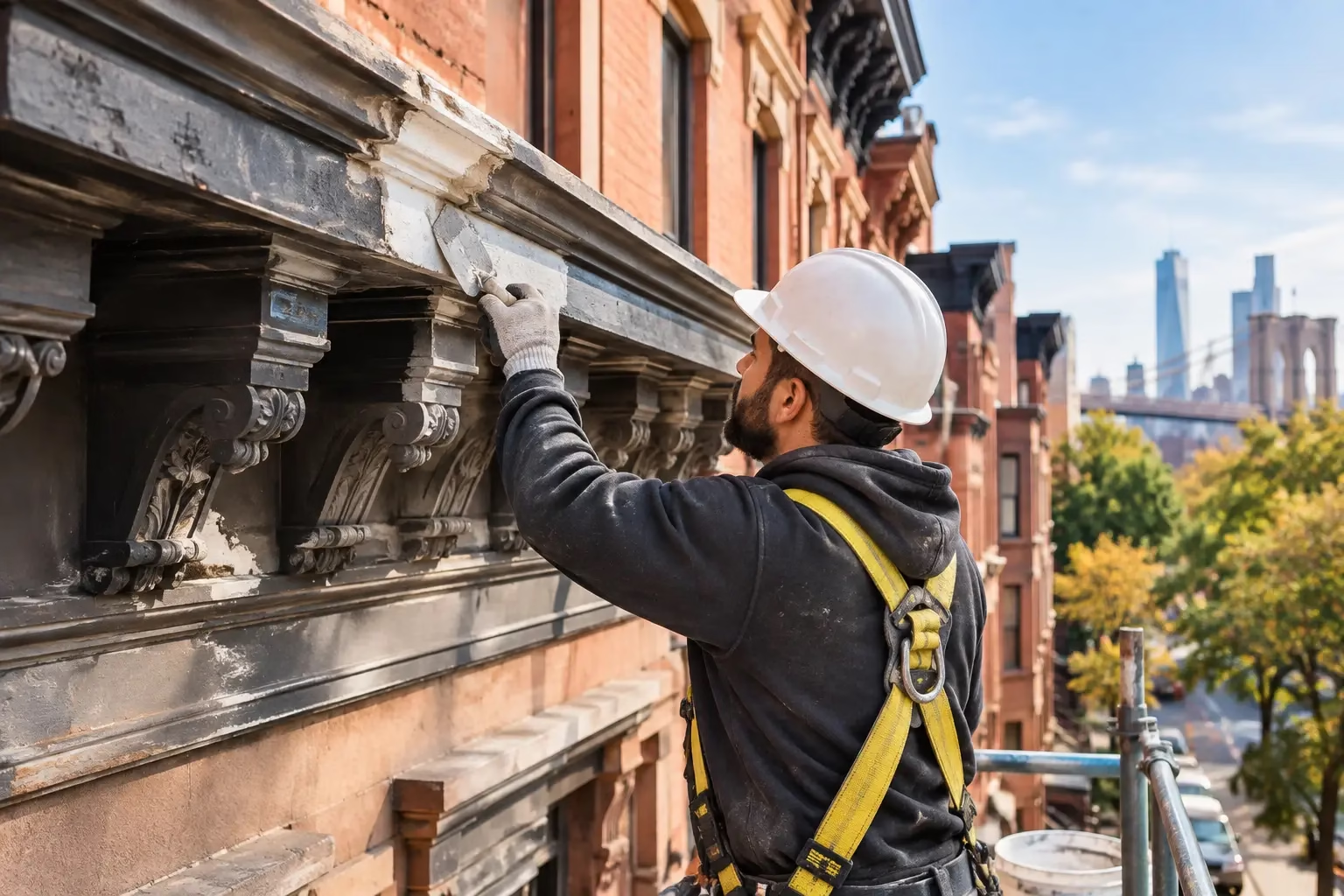
A loose cornice is not a cosmetic problem waiting for a better season. On a Brooklyn brownstone, apartment building, or storefront, cracked metal, rotted wood, failing masonry, and open joints can allow water behind the facade and create a falling-debris risk. Damaged cornice repair services address those problems before a manageable repair turns into a larger facade, roofing, or structural project.
For property owners and managers, the right approach is not simply covering damaged areas with paint or caulk. The work needs to identify why the cornice failed, stabilize unsafe material, repair the underlying substrate, and restore a finish that can stand up to New York weather.
When damaged cornice repair services are needed
Cornices sit at the roofline, where they take constant exposure from rain, snow, wind, freeze-thaw cycles, and roof runoff. Many NYC buildings also have original sheet-metal, wood, terra cotta, or masonry cornices that have been repaired more than once over several decades. A patch can be appropriate, but only when the surrounding material is sound.
Call for an inspection when you see cracking at seams, peeling paint paired with soft wood, rust stains on the facade, missing brackets, sagging sections, loose flashing, or water marks on interior top-floor walls. On masonry and brownstone properties, deteriorated mortar or spalling near the cornice can signal that water is entering from above.
Do not assume a visible crack tells the whole story. A small opening at the top edge may allow water into concealed wood framing, metal lath, brickwork, or the wall cavity. By the time a section begins to bow outward, the repair scope may include more than the ornamental face.
Why paint-only fixes often fail
A fresh coat of paint can make a cornice look better for a short time, but paint does not stop active rust, repair a failed seam, replace rotted wood, or correct poor drainage. Caulking over a moving metal joint can also split quickly during seasonal expansion and contraction.
The most cost-effective repair is usually the one that handles the source of the moisture first. That may mean repairing roof flashing, correcting a gutter or leader issue, repointing adjacent masonry, or rebuilding a damaged section before it is primed and painted.
A practical repair process for aging NYC cornices
Every building is different, especially in historic neighborhoods such as Park Slope, Brooklyn Heights, Cobble Hill, Bed-Stuy, and Carroll Gardens. A detailed site review helps determine whether the work can be limited to localized repair or whether multiple sections need restoration.
The first priority is safety. Loose or unstable pieces may need immediate securing or controlled removal before restoration begins. From there, the repair plan should account for material type, access requirements, roof conditions, facade damage, and any required building approvals.
A properly planned project commonly includes the following work:
- Inspection of the cornice, roof edge, flashing, gutters, leaders, and adjoining facade
- Stabilization or removal of loose material that could become a hazard
- Replacement or repair of damaged sheet metal, wood, masonry, brackets, or ornamental details
- Sealing, priming, painting, and waterproofing compatible materials after repairs are complete
On a metal cornice, repairs may involve removing corroded sections, fabricating replacement metal to match the existing profile, reinforcing the backing, and restoring seams. On a wood cornice, the contractor should determine how far rot extends before replacing trim, soffit areas, or concealed framing. For masonry or terra cotta details, the work may require careful patching, resetting, repointing, or replacement of failed pieces.
Repair versus replacement: what makes sense?
Replacement is not automatically better, and repair is not always cheaper over the life of the building. If corrosion or rot is isolated, a targeted repair can preserve original architectural character and control cost. If large portions are failing, however, repeated spot patches can become more expensive than rebuilding the affected run correctly.
A good estimate explains the condition found and separates urgent safety work from recommended restoration. This gives owners a realistic choice, especially when they are planning other exterior work such as roofing, brick pointing, facade restoration, painting, or waterproofing.
Best Budget Construction in Brooklyn & NYC
Best Budget Construction approaches cornice work as part of the entire building envelope, not as an isolated paint job. If a damaged roof edge, open flashing, cracked masonry, or poor drainage is feeding water into the cornice, those related conditions should be considered in the repair plan.
That one-contractor approach is valuable for owners who do not want to coordinate separate roofing, masonry, metal, painting, and waterproofing crews. It also helps keep scheduling practical when cornice restoration is part of a wider exterior maintenance project.
For commercial properties and multi-unit buildings, access and tenant safety matter just as much as the visible result. Work areas should be organized carefully, debris should be controlled, and the crew should plan around sidewalks, entrances, parked vehicles, and normal building operations whenever possible.
License & Insurance credentials for all services
Cornice repair happens at height and often above public walkways. Property owners should ask direct questions before hiring anyone: Is the contractor licensed and insured? How will the work area be protected? Who is responsible for scaffolding, permits, material disposal, and repairs to adjacent roofing or masonry if hidden damage is found?
The lowest price can become the highest-cost option when it leaves out access equipment, prep work, waterproofing, or finish protection. A clear written scope should describe the areas being repaired, the materials proposed, what is excluded, and how added deterioration will be handled if it is uncovered after opening the cornice.
Experience with NYC buildings matters because access, weather exposure, aging materials, and close property lines affect the job. A crew that understands brownstone and urban facade conditions can make practical recommendations instead of treating every cornice as a standard trim repair.
100% OSHA guidelines compliant work planning
Safe cornice work starts before the first damaged piece is touched. Depending on the building and access conditions, the project may require scaffolding, sidewalk protection, fall protection, controlled debris handling, and coordination around entrances or public areas. These are not extras to skip. They protect workers, residents, pedestrians, and the property itself.
100% OSHA guidelines compliant work planning also supports better craftsmanship. When a crew has stable access to the roofline, it can inspect hidden seams, replace damaged material properly, and complete sealing and painting without rushing from a ladder. The result is safer work and a repair that has a better chance of lasting.
How to protect a repaired cornice
After restoration, maintenance is straightforward but should not be ignored. Check roof drainage and leaders regularly, particularly after heavy storms. Keep gutters clear where applicable, look for failed sealant or paint, and address roof leaks promptly. Annual visual checks from the ground can catch staining, open joints, and peeling areas before they become major failures.
If your building has a history of water infiltration, combine cornice maintenance with roof, flashing, masonry, and waterproofing inspections. Cornices usually fail because water keeps finding a path in. Stop that path, and the new repair has a far better chance of protecting the facade.
Free Estimate Call (917) 674-9488
If you see loose metal, cracks, rot, staining, or pieces missing from your cornice, do not wait for another winter or windstorm to test it. A site evaluation can determine whether the right solution is a focused repair, a larger restoration, or coordinated work with roofing and facade repairs. Get a clear scope, practical recommendations, and a free estimate before the damage spreads.
