

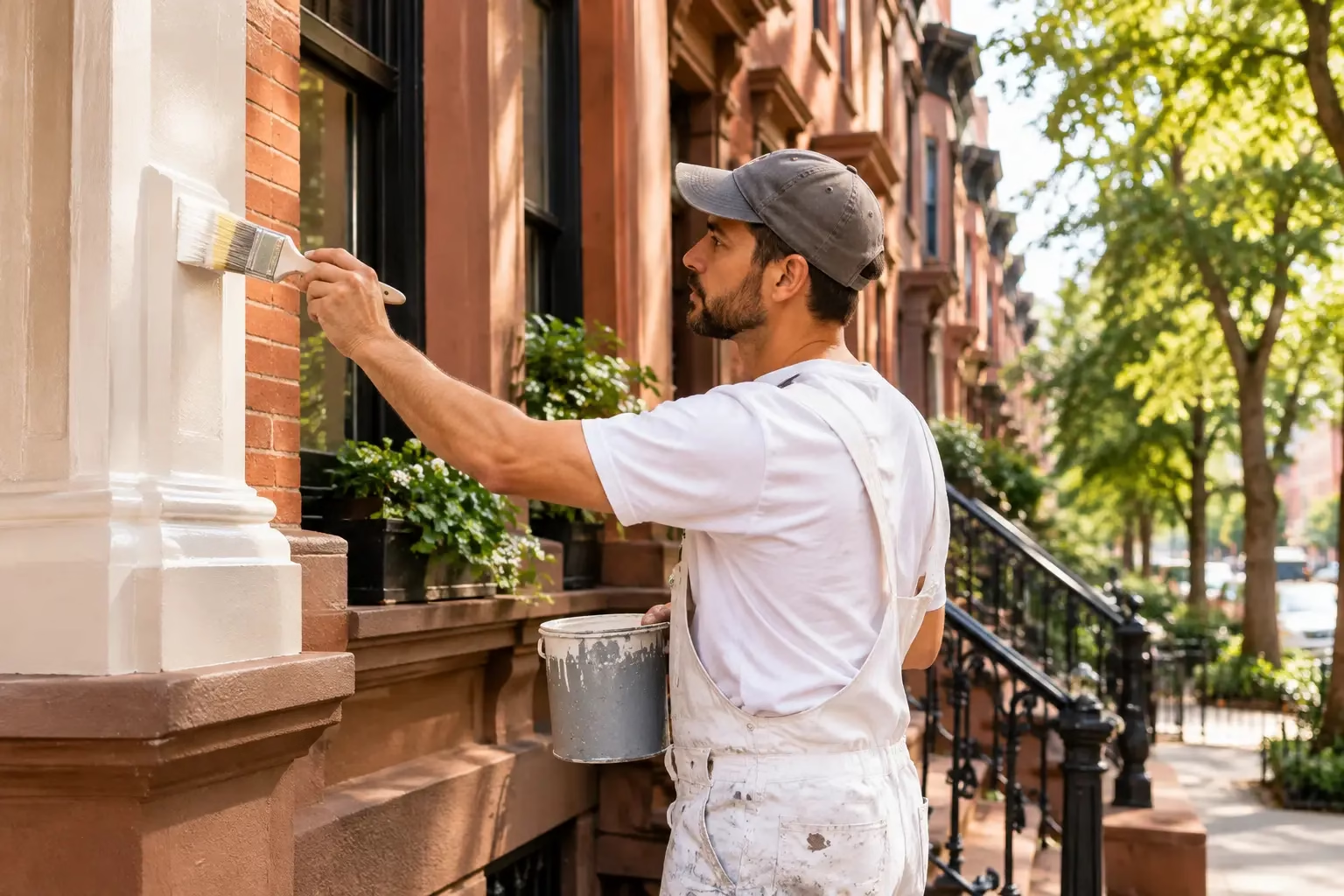
A fresh paint job can make a Park Slope apartment feel brighter, make a rental ready for the next tenant, or give a brownstone room the finish it has been missing for years. But in older Brooklyn properties, painting is rarely just about choosing a color. When you hire a painting contractor in Park Slope, you need someone who can recognize loose plaster, old water damage, cracked trim, stained ceilings, and the prep work hiding beneath the surface.
What a Painting Contractor in Park Slope Should Handle
Park Slope properties come with character, but character often means detailed work. Prewar apartments, co-ops, townhomes, and brownstones can have original moldings, high ceilings, uneven walls, radiator pipes, and layers of old paint. A contractor who only knows how to roll paint across new drywall may leave behind visible imperfections or damage details that are costly to repair.
Professional interior painting starts with an honest look at the condition of the space. Small nail holes and minor dents may only need patching and sanding. Larger cracks, peeling areas, water stains, or failing plaster need repair before primer and finish coats go on. Painting over those issues may look acceptable for a short time, but the problem will return.
For homeowners, the goal is a clean, durable finish that respects the property. For landlords and property managers, the priority may be turnover speed, practical color choices, and a scope that stays on budget. Both situations require clear communication before work begins.
A qualified contractor should be able to handle surface repairs, drywall patching, skim coating where needed, caulking, priming, wall and ceiling painting, trim work, doors, and careful protection of floors and furnishings. If exterior areas, masonry, or wood elements need attention, it also helps to work with a company that understands the larger building system rather than treating paint as an isolated cosmetic task.
The Prep Work That Determines the Finish
The difference between a paint job that lasts and one that starts failing early is usually preparation. It is not the glamorous part of the work, but it is where time and labor should be spent.
A proper crew protects the work area first. Floors, furniture, fixtures, and nearby finishes should be covered before sanding, scraping, or painting starts. Surfaces are then cleaned, loose paint is removed, cracks are repaired, and patched areas are sanded smooth. Primer is used where bare drywall, repaired plaster, stains, or uneven surfaces require it.
Ceiling stains deserve special attention. If a stain came from an active roof leak, plumbing issue, or condensation problem, paint is not the repair. The source has to be corrected first. Once the area is dry and stable, stain-blocking primer and finish coats can restore the appearance. This is one reason property owners benefit from a contractor that can also assess waterproofing, roofing, bathroom leaks, or exterior facade conditions.
Color selection also affects the final result. Flat paint can help hide minor wall imperfections, but it is less washable. Eggshell and satin finishes are practical for many living areas and hallways. Semi-gloss is commonly used for trim, doors, and moisture-prone spaces because it holds up well to cleaning. There is no single right answer. A family home with children, a busy rental hallway, and a quiet owner-occupied bedroom have different needs.
License & Insurance credentials for all services
Price matters, especially in New York City, but the lowest estimate is not always the lowest cost. A contractor who skips prep, uses unqualified labor, or leaves damage behind can turn an inexpensive paint job into a second project.
Ask practical questions before accepting a proposal. Confirm that the company is licensed and insured, ask what surface repairs are included, and find out whether materials, primer, protection, cleanup, and final touch-ups are part of the quoted scope. If the work is in a co-op or condo, verify that the contractor can provide the insurance documentation and follow building requirements before the start date.
A clear estimate should describe the rooms or areas being painted, the type of preparation expected, the number of coats, and any conditions that could change the price. Hidden damage cannot always be known until old paint is removed or a wall is opened, but a dependable contractor explains that possibility instead of surprising you at the end.
Best Budget Construction works with Brooklyn property owners who want straightforward estimates, professional craftsmanship, and one accountable team for painting, repairs, and larger renovation needs. That broader experience matters when a painting project uncovers a damaged ceiling, deteriorated window trim, moisture intrusion, or failing plaster that needs more than a cosmetic cover-up.
100% OSHA guidelines compliant jobsite practices
Painting may seem like a simple trade, but safe work habits protect the property, the crew, and everyone using the building. Ladders, sanding dust, ventilation, lead-safe concerns in older properties, and occupied homes all need to be managed correctly.
A professional crew keeps the site organized, uses appropriate protective equipment, controls dust during preparation, and maintains safe access around stairs and hallways. In occupied apartments and commercial spaces, scheduling also matters. The work should be planned to reduce disruption, protect common areas, and keep residents, staff, or customers informed.
For historic homes and older apartments, do not assume that peeling paint is only a visual issue. Older coatings may require special handling. If there are concerns about lead-based paint, discuss them before scraping or sanding begins. The right approach depends on the age of the building, the surface condition, and the scope of work.
When Painting Should Be Part of a Larger Repair Plan
Sometimes painting is the final step, not the first. Repainting a bathroom ceiling without addressing humidity or an exhaust problem is temporary. Painting over repeated cracks in a wall without determining whether they are normal settlement, plaster failure, or water-related can waste money. The same is true outside, where peeling paint on wood, cornices, or window surrounds may point to moisture and deterioration underneath.
This does not mean every crack requires a major renovation. Many are minor and can be repaired properly during prep. The value of an experienced contractor is knowing the difference between routine maintenance and a condition that needs further investigation.
For example, an apartment refresh before a sale may only require patching, neutral paint, and trim touch-ups. A brownstone with recurring ceiling stains, damaged plaster, and exterior water entry needs a more complete plan. Addressing the root cause first can prevent you from paying to repaint the same room again next year.
Plan Your Park Slope Painting Project Around the Property
Before requesting an estimate, walk through the space and note which rooms need work, where you see cracks or stains, and whether furniture will remain in place. If you are a landlord or manager, identify access dates and building restrictions early. If you are preparing for a move-in, renovation, or commercial opening, share the deadline so the scope and crew schedule can be planned realistically.
Good painting work should leave more than a new color on the walls. It should leave clean edges, smooth repaired surfaces, protected floors, and a space that feels properly cared for. For a free estimate and a direct conversation about your Park Slope property, call (917) 674-9488. A clear site visit is the best place to start, especially when the walls are telling you there may be more to repair than paint alone.
